
This is Why Regular Oil Changes Protect Your Volkswagen Engine
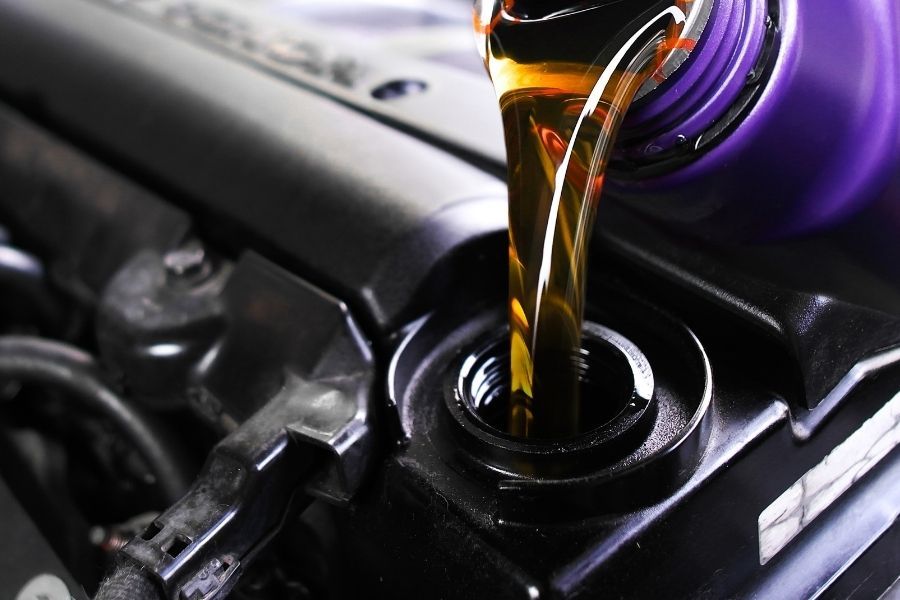
Regular oil changes are one of the most important maintenance tasks for keeping your Volkswagen running smoothly. Engine oil supports lubrication, reduces friction between moving parts, and helps maintain consistent engine performance over time. When oil is clean and circulating properly, it protects critical components and helps the engine operate efficiently.
Volkswagen engines are engineered with precision and rely on consistent lubrication to function correctly. Replacing engine oil and oil filters on schedule supports long-term engine protection and helps prevent unnecessary wear. Understanding how oil works inside your engine, and why it needs regular replacement, can help you maintain performance and reliability for years to come.
How Engine Oil Protects Your Volkswagen Engine
Inside every Volkswagen engine is a lubrication system designed to move oil through key components. The oil pump pushes engine oil through passages that reach areas where metal components move against one another. This thin layer of lubrication reduces friction and prevents excessive heat buildup.
Without proper lubrication, metal surfaces can begin to grind against each other. Over time, this can cause internal wear and reduce engine efficiency. Clean engine oil helps prevent this by maintaining a protective barrier between moving parts.
Oil also plays an important role in temperature control. As it circulates through the engine, it absorbs heat and carries it away from sensitive components. This process helps maintain stable operating temperatures and supports consistent engine performance.
Clean oil protects more than just the engine block. It also helps safeguard parts such as turbochargers, valve train components, and timing systems that rely on proper lubrication to function correctly.
The Reason Volkswagen Engines Depend on Clean Oil
Modern Volkswagen engines operate under precise tolerances, meaning internal components are designed to work together with minimal space between them. This design improves efficiency and performance but also means that lubrication quality becomes even more important.
When oil becomes contaminated with debris or breaks down from heat, it can lose its ability to lubricate effectively. Dirty oil may also carry particles that circulate through the engine and increase internal wear.
Turbocharged Volkswagen engines depend especially on stable oil pressure and clean lubrication. Turbochargers operate at high speeds and temperatures, making proper oil flow essential for protecting internal components.
Maintaining clean oil helps ensure that lubrication remains effective and that engine systems continue to operate smoothly.
What Happens When Oil Changes Are Skipped
When oil changes are delayed for too long, the oil begins to break down and lose its protective properties. Over time, contaminants can accumulate and affect the lubrication system.
Skipping oil changes can lead to several issues, including:
Sludge buildup inside the engine.
Restricted oil circulation.
Increased friction between moving components.
Reduced fuel efficiency.
Premature engine wear.
Sludge formation is particularly harmful because it can block oil passages and prevent proper lubrication. When oil flow becomes restricted, critical engine parts may no longer receive the protection they need.
Regular oil changes help prevent these problems by ensuring that clean oil continues circulating through the engine.
The Role of Oil Filters in Volkswagen Engine Protection
Oil filters play an essential role in maintaining clean oil throughout the engine. As oil circulates through the lubrication system, the filter captures contaminants such as metal particles, debris, and other impurities.
Without an effective oil filter, these contaminants would continue circulating through the engine and contribute to internal wear.
Over time, oil filters can become clogged with trapped debris. When this happens, oil flow may become restricted, which reduces lubrication efficiency. Replacing the oil filter during every oil change helps maintain proper oil circulation and ensures the engine continues receiving clean lubrication.
Using high-quality Volkswagen oil filters designed for your engine helps support consistent filtration and long-term engine protection.
How Often Should You Change Oil in a Volkswagen?
Oil change intervals vary depending on engine design, driving conditions, and manufacturer recommendations. Many modern Volkswagen vehicles are designed to support extended service intervals, but driving habits still play an important role.
Factors that may influence oil change frequency include:
Frequent short trips where the engine does not fully warm up.
Stop-and-go city driving.
Heavy loads or towing.
Extended high-temperature operation.
Drivers who operate their vehicles under more demanding conditions may benefit from more frequent oil maintenance. Following your vehicle’s maintenance schedule helps ensure that oil continues to protect engine components effectively.
Checking oil condition periodically can also help determine when a change is necessary.
Signs Your Volkswagen May Need an Oil Change
While maintenance schedules provide useful guidelines, certain signs may indicate that your vehicle needs an oil change sooner than expected.
Common indicators include:
Dark or dirty engine oil.
Increased engine noise.
Reduced engine responsiveness.
Oil warning lights appearing on the dashboard.
Unusual smells from the engine area.
These signs can indicate that the oil is losing its effectiveness or becoming contaminated. Addressing the issue early helps prevent more serious engine problems.
Routine inspections make it easier to identify these warning signs before they affect performance.
Why OEM Oil Filters and Maintenance Parts Matter
When performing engine maintenance, the quality of replacement parts can affect long-term reliability. OEM Volkswagen parts are designed specifically for Volkswagen engines and manufactured to meet original specifications.
Advantages of OEM components include:
Precise fitment for your vehicle’s engine system.
Consistent material quality and filtration performance.
Compatibility with surrounding engine components.
Reliable long-term durability.
Aftermarket parts may vary in design or materials, which can affect how well they integrate with the engine system. Choosing genuine Volkswagen parts helps maintain the standards set during the vehicle’s original engineering.
For maintenance items like oil filters, using parts designed for Volkswagen engines supports consistent lubrication and filtration performance.
Protect Your Volkswagen Engine with Proper Oil Maintenance
Regular oil changes are one of the most effective ways to protect your Volkswagen engine. Clean oil supports lubrication, helps regulate temperature, and reduces internal wear across critical components. Replacing oil filters at the same time ensures that contaminants are removed from the lubrication system so the engine continues receiving clean oil.
Consistent oil maintenance helps preserve engine performance, reliability, and long-term value. If you’re preparing for your next oil change, explore genuine Volkswagen oil filters and engine maintenance parts designed to support proper lubrication and dependable operation.