
When to Replace Key Volkswagen Parts and Why OEM Parts Are Best
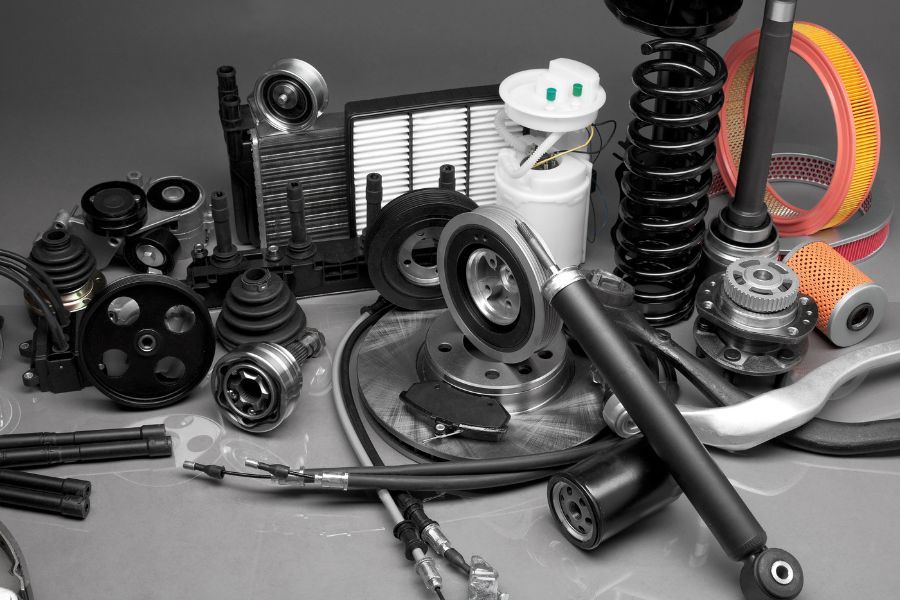
Modern Volkswagen vehicles are built for long-term reliability, but every vehicle has parts that wear with time and mileage. Understanding when to replace essential VW components can help prevent breakdowns, protect performance, and extend the life of your engine, brakes, and electronics. When you combine the right maintenance timing with high-quality OEM VW parts, you give your vehicle the best chance to stay safe, smooth, and consistent on the road.
This guide outlines common VW maintenance parts replacement intervals and explains why choosing OEM components is the most reliable approach for long-term care.
Why Maintenance Timing Matters for Volkswagen Vehicles
Volkswagens rely on carefully engineered systems that depend on the accuracy of their parts. Even something as simple as a filter or spark plug can affect performance if it starts to wear down.
Regular maintenance helps:
Preserve fuel efficiency.
Reduce strain on the engine.
Maintain smooth shifting and acceleration.
Protect sensors, emissions systems, and electronics.
Prevent small issues from turning into expensive repairs.
Because VW engineering is precise, replacing parts on time is only half the equation. Using OEM VW parts helps ensure each new component fits properly, communicates with the vehicle’s systems, and performs the way Volkswagen intended.
When to Replace Filters
Volkswagens rely heavily on clean airflow and fluid filtration. Over time, filters become clogged, reducing performance and putting stress on your engine and cabin systems.
Engine Air Filter
When to replace: Typically during routine maintenance, especially if you drive in dusty or high-pollution environments.
Why OEM is best: OEM VW air filters match the exact airflow requirements of Volkswagen engines. Aftermarket filters may offer different material density or flow resistance, which can affect performance or trigger inconsistent fuel management.
Cabin Air Filter
When to replace: Whenever you notice reduced airflow, unpleasant odors, or after extended seasonal use.
Why OEM is best: OEM cabin filters block debris and fine particles precisely at Volkswagen’s filtration standards. Proper density and sealing keeps your A/C system running efficiently.
Oil Filter
When to replace: Every oil change.
Why OEM is best: Volkswagen uses specific valve designs and filter materials that work with VW engines’ oil pressure specifications. OEM oil filters ensure consistent lubrication and protect against engine wear.
When to Replace Brake Components
Your brake system is one of the most important safety components, and Volkswagens use precise braking setups tailored to each model’s weight and performance profile.
Brake Pads
When to replace: Signs include squeaking, longer stopping distances, or vibration.
Why OEM is best: OEM VW brake pads match the original friction material, thickness, and wear behavior. This helps maintain proper stopping power and brake balance, which is especially important for models with advanced ABS and traction systems.
Brake Rotors
When to replace: Visible scoring, vibration during braking, or irregular wear patterns.
Why OEM is best: OEM VW rotors match factory specifications for weight, metallurgy, cooling channels, and thickness. These details influence pedal feel and stopping stability.
Using OEM brake components keeps your full braking system working the way it was designed, without unpredictable behavior.
When to Replace Sensors
Volkswagen vehicles depend heavily on sensors for engine management, emissions, temperature regulation, and safety systems. A failing sensor can affect performance quickly.
Oxygen Sensor / O2 Sensor
When to replace: Rough idle, poor fuel economy, or dashboard warnings.
Why OEM is best: OEM sensors match the voltage range and signal behavior expected by VW’s ECU. Aftermarket sensors sometimes cause inconsistent readings, which can trigger false errors or affect performance.
Mass Air Flow (MAF) Sensor
When to replace: Engine hesitation, stalling, or irregular acceleration.
Why OEM is best: OEM MAF sensors maintain precise airflow calculations. Even slight differences in calibration can disrupt Volkswagen’s fuel-to-air ratio.
Coolant Temperature Sensor
When to replace: Temperature gauge instability, overheating warnings, or hard starts.
Why OEM is best: OEM sensors guarantee stable temperature readings, critical for ignition timing and cooling system regulation.
With sensors, OEM is especially important because inaccurate signals affect the entire system.
When to Replace Belts and Hoses
Serpentine Belt
When to replace: Cracking, fraying, squealing, or visible wear.
Why OEM is best: Volkswagens require belts with exact tension and rib design. OEM belts provide proper alignment with pulleys and accessory systems.
Coolant Hoses
When to replace: Swelling, brittleness, leaks, or soft spots.
Why OEM is best: OEM hoses match VW’s specific lengths, curves, and reinforcement levels. This ensures proper coolant flow and prevents leaks under pressure.
When to Replace Ignition Components
Spark Plugs
When to replace: Misfires, slow starts, uneven idling, or reduced power.
Why OEM is best: OEM VW spark plugs match the engine’s heat range, gap settings, and materials. Using the wrong plug can cause misfires or timing issues.
Ignition Coils
When to replace: Shaking, misfires, or poor acceleration.
Why OEM is best: Volkswagen ignition systems depend on exact coil resistance and output. OEM coils prevent miscommunication between the coil and ECU.
Keeping ignition components OEM helps protect the engine from irregular combustion and long-term wear.
When to Replace Suspension Components
Shocks and Struts
When to replace: Excessive bouncing, poor handling, or uneven tire wear.
Why OEM is best: OEM suspension parts match Volkswagen’s intended ride quality, damping, and stability. Aftermarket versions can change handling in unpredictable ways.
Control Arm Bushings and Ball Joints
When to replace: Clunking sounds, steering looseness, or instability at higher speeds.
Why OEM is best: OEM materials match factory durability and geometry, ensuring proper alignment and steering feel.
Why OEM VW Parts Are Better for Every Replacement
Across all categories, including filters, brakes, sensors, belts, suspension, and ignition, OEM VW parts provide consistent advantages:
Correct fitment and compatibility
Predictable durability
Proper communication with VW electronics
Matching materials and engineering
Preserved performance and safety
Aftermarket parts often aim to fit multiple vehicle brands, which means they may not meet VW’s exact requirements. With OEM, you maintain the precision Volkswagen is known for.
Replacing VW maintenance parts on schedule is one of the best ways to protect your vehicle’s performance. When you pair proper timing with OEM VW parts, you avoid compatibility issues, preserve the engineering of your Volkswagen, and keep each system working exactly as intended.
If you're ready to maintain your Volkswagen with reliable OEM components, explore the full catalog at Real VW Parts and get the exact replacements your vehicle needs.
Frequently Asked Questions
When is the best time to replace the engine air filter in my Volkswagen?
It’s best to replace your Volkswagen’s engine air filter during routine maintenance, especially if you drive in dusty or polluted areas. A clogged air filter can reduce engine performance, so keep it fresh to maintain fuel efficiency and smooth driving.
Why should I always use OEM brake pads for my Volkswagen?
OEM brake pads are made specifically for your Volkswagen, ensuring they work exactly like the original ones. They help maintain consistent stopping power, safety, and performance, especially if your car has advanced braking systems like ABS or traction control.
How can I tell when my Volkswagen’s oxygen sensor needs replacing?
If your Volkswagen is idling roughly, using more fuel than usual, or showing a warning light on the dashboard, it’s time to replace the oxygen sensor. Using OEM sensors ensures accurate readings, which helps maintain fuel efficiency and smooth engine performance.
What are the advantages of using OEM ignition coils for my Volkswagen?
OEM ignition coils are designed to work perfectly with your Volkswagen’s engine. They ensure proper spark timing and fuel efficiency, helping prevent misfires and poor acceleration. Using OEM coils keeps your engine running smoothly and avoids long-term issues.
Why are OEM suspension parts important for maintaining my Volkswagen's performance?
OEM suspension parts are built to match your Volkswagen’s specific design, keeping your ride smooth and stable. These parts ensure proper handling and comfort. Using non-OEM parts can alter your car's driving experience and handling, so sticking with OEM ensures a safe, smooth ride.