
Volkswagen Maintenance Parts to Replace or Inspect During an Oil Change
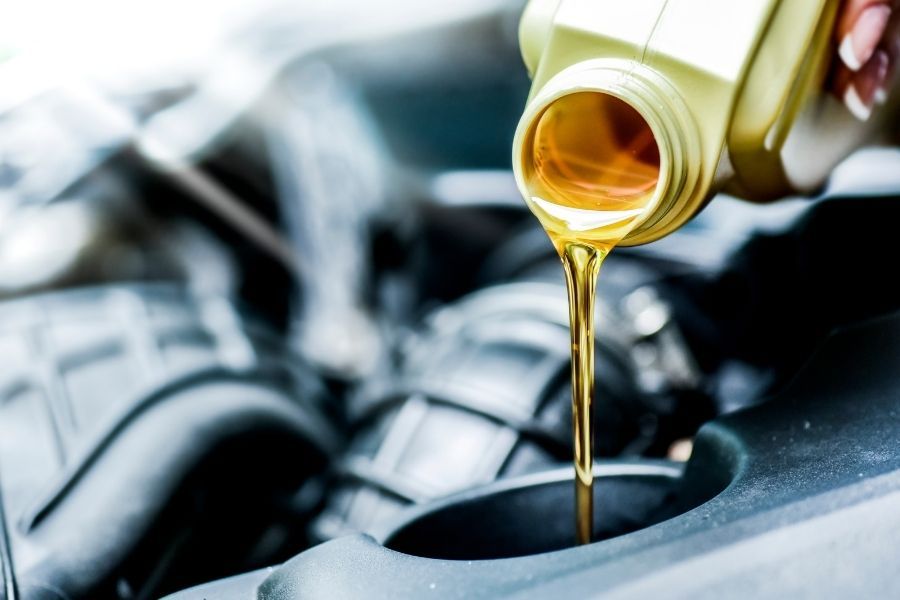
Volkswagen maintenance parts are not all replaced on the same schedule. Some parts belong in every oil change. Others should be inspected while the vehicle is being serviced. Some depend on mileage, engine type, service history, and Volkswagen factory requirements.
The safest approach is to confirm fitment by VIN, use the required VW oil approval, and choose OEM Volkswagen maintenance parts built for your exact vehicle.
For most VW owners, the oil change is the starting point. It is the moment when the oil filter, engine oil, drain plug washer, air filter, belts, hoses, spark plugs, fuel filter, and wiper blades should at least be checked. That does not mean every item needs replacement every time. It means an oil-change visit is the best time to catch wear before it becomes a more expensive repair.
What to Replace During Every Volkswagen Oil Change
Every Volkswagen oil change should include the correct engine oil and a matching oil filter. The oil filter is not just a basic service part. It protects the engine by trapping contaminants while maintaining proper oil flow.
Start with the correct Volkswagen oil filter for your exact model, engine, and VIN. VW owners often worry about filter quality, bypass behavior, cartridge fitment, and sealing. Those concerns are valid because similar-looking filters are not always built to the same standard.
You should also check the small sealing parts connected to the oil change. These may include the drain plug, crush washer, O-ring, filter housing seal, or related gaskets. These parts are inexpensive, but they help prevent leaks after service.
The core oil-change parts are:
Part | Replace Now? | Why It Matters |
Engine oil | Yes | Must meet the required VW oil approval |
Oil filter | Yes | Filters contaminants and supports correct oil flow |
Drain plug washer or seal | Usually | Helps prevent leaks after service |
Filter housing seal or O-ring | Usually | Helps maintain proper sealing |
Oil Spec Matters More Than Oil Weight Alone
Many VW owners search by oil weight first. They ask whether they need 0W-20, 5W-30, or 5W-40. That is only part of the answer.
For Volkswagen engines, the VW oil approval specification is often more important than just viscosity. The correct oil must match the engine’s required approval, not just the number on the front of the bottle.
This matters because VW oil requirements can vary by model year, engine code, turbocharged application, and emissions configuration. A newer Volkswagen may require a different approval than an older model. A diesel VW may have different oil requirements than a gasoline engine.
Before ordering oil-change parts, confirm:
Your VIN.
Your engine type.
Your model year.
The required VW oil approval.
The correct oil filter and service hardware.
The real mistake is not choosing one popular oil brand over another. The bigger mistake is using oil that does not meet the required Volkswagen specification.
What to Inspect While Servicing Your Volkswagen
An oil change is also the right time to inspect nearby maintenance parts. These items may not need replacement every service, but they should not be ignored.
The engine air filter is one of the first parts to check. A dirty air filter can reduce airflow, affect throttle response, and make the engine work harder. If the filter is clogged, damaged, or poorly seated, replace it with an OEM Volkswagen air filter that fits the airbox correctly.
Belts and hoses should also be inspected while the hood is open. Rubber parts wear from heat, pressure, mileage, and age. Look for cracks, swelling, glazing, soft spots, leaks, squealing, or coolant seepage. If you see those signs, shop the correct Volkswagen belts and hoses before a small issue turns into overheating or a roadside breakdown.
Wiper blades are another easy inspection item. If they streak, skip, squeak, or leave blind spots, replace them with Volkswagen wiper blades designed for the correct windshield shape and wiper arm setup.
What May Need Replacement Based on Mileage or Service Schedule
Some Volkswagen maintenance parts should be replaced based on mileage, engine type, symptoms, or the factory service schedule. These parts do not belong in every oil change, but they should be reviewed during routine maintenance.
The fuel filter is a good example. It is replaced less often than the oil filter, but it still matters for fuel delivery and drivability. A restricted fuel filter can affect performance, starting, and fuel-system operation. Diesel and gasoline models may have different requirements, so choose the correct Volkswagen fuel filter by VIN and engine.
Spark plugs are another schedule-based item. Worn plugs can cause hard starts, rough idle, hesitation, misfires, reduced fuel efficiency, and weaker acceleration. Turbocharged VW engines can be especially sensitive to the wrong plug type, heat range, or service interval. When replacement is due, use OEM Volkswagen spark plugs matched to your exact engine.
VIN Fitment Matters for VW Maintenance Parts
Volkswagen parts should not be ordered just by model name. A Jetta, Golf, Passat, Tiguan, Atlas, GTI, Taos, Beetle, Arteon, or Touareg may have different engine options, production changes, trim differences, and service requirements.
That is why VIN lookup is so important. Your VIN helps verify the exact vehicle configuration. It can help confirm model year, engine, trim, production details, and compatible replacement parts.
VIN fitment is especially important for:
Oil filters
Drain plugs and washers
Spark plugs
A part can look close and still be wrong. The right part is the one built for your exact Volkswagen.
Common Mistakes When Ordering Volkswagen Maintenance Parts
The most common mistake is buying by vehicle name only. A part listed for “VW Jetta” or “VW Tiguan” may not fit every engine or production variation.
The second mistake is treating oil weight as the full answer. For Volkswagen oil changes, the required VW approval spec must be verified.
The third mistake is assuming universal parts are good enough. Universal filters, plugs, and wipers may not seal, fit, or perform like factory-correct parts.
The fourth mistake is replacing parts without checking service logic. Some items are replaced every oil change. Some are inspected. Others depend on mileage or symptoms.
A better approach is simple: confirm the VIN, check the service schedule, verify the oil approval, and match parts by exact application.
OEM Volkswagen Maintenance Checklist Before You Order
Use this checklist before buying parts for your next VW oil change or maintenance service:
Maintenance Item | Replace Every Oil Change | Inspect During Service | Replace by Mileage or Symptoms | Confirm by VIN |
Engine oil | Yes | No | Yes | Yes |
Oil filter | Yes | No | Yes | Yes |
Drain plug washer/seal | Usually | Yes | Yes | Yes |
Engine air filter | No | Yes | Yes | Yes |
Belts | No | Yes | Yes | Yes |
Hoses | No | Yes | Yes | Yes |
Fuel filter | No | Sometimes | Yes | Yes |
Spark plugs | No | Sometimes | Yes | Yes |
Wiper blades | No | Yes | Yes | Yes |
Shop OEM VW Maintenance Parts With Confidence
Real VW Parts helps Volkswagen owners find factory-correct maintenance parts without guessing. Whether you are replacing an oil filter, checking an air filter, inspecting belts and hoses, ordering spark plugs, or adding wipers to your cart, fitment should come first.
Before ordering, confirm your Volkswagen VIN, engine, model year, and required oil specification. Then match the correct OEM filters, plugs, belts, hoses, and wipers for your exact vehicle.
The goal is simple: do the job once, do it correctly, and use parts made for your Volkswagen.
FAQ
What parts should I replace during a Volkswagen oil change?
Replace the oil filter and engine oil every time. You may also need a drain plug washer, O-ring, filter housing seal, or related service hardware depending on your Volkswagen model.
Should I replace my VW air filter at every oil change?
Not always. Inspect the air filter during every oil change and replace it when it is dirty, damaged, poorly seated, or due according to the maintenance schedule.
Does VW oil viscosity matter more than the oil approval spec?
No. Oil viscosity is only part of the requirement. Many Volkswagen engines require a specific VW oil approval, so the oil must match the correct factory specification.
Why should I order Volkswagen maintenance parts by VIN?
VIN lookup helps confirm the correct engine, trim, model year, and production details. This reduces ordering mistakes and improves fitment accuracy.
Are spark plugs part of a normal VW oil change?
No. Spark plugs are usually replaced based on mileage, engine type, symptoms, or service schedule. They should be checked if the vehicle has rough idle, misfires, hesitation, or hard starts.
When should VW belts and hoses be replaced?
Replace belts or hoses when they show cracks, swelling, glazing, leaks, squealing, soft spots, or age-related wear. They should be inspected during routine service.
Are OEM Volkswagen maintenance parts better for fitment?
OEM Volkswagen parts are built for factory-correct fitment, sealing, and compatibility. They are usually the safer choice when exact fit matters.