
Comprehensive Guide to VW Engine Parts and Maintenance
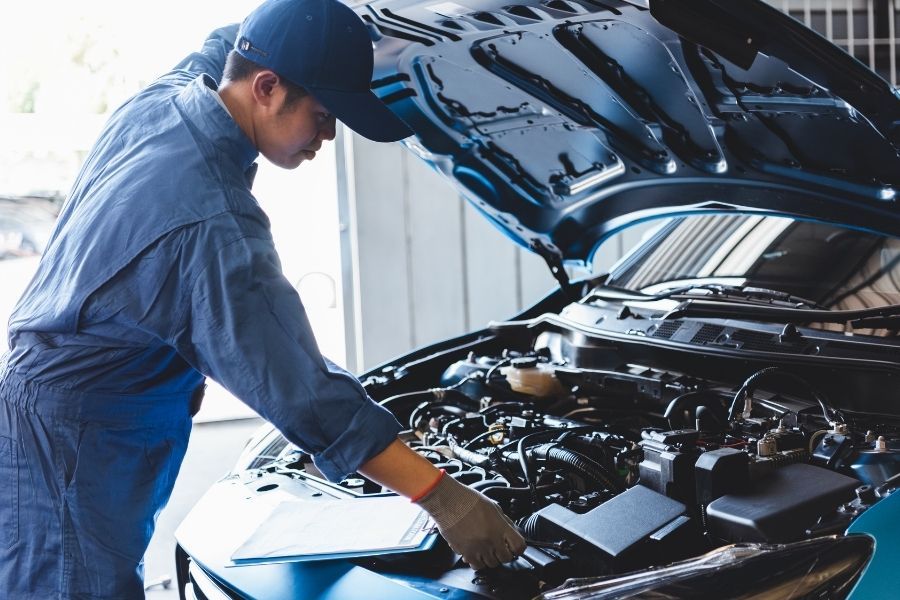
Your Volkswagen’s engine is a precision-built system designed to deliver consistent performance, efficiency, and longevity. Like any engineered system, it depends on proper maintenance and high-quality components to operate as intended. Understanding key VW engine parts and how they function helps you protect engine performance and prevent unnecessary wear over time.
Routine engine maintenance supports long-term Volkswagen engine health. Replacing wear items on schedule and using OEM engine parts ensures proper fitment, reliable operation, and compatibility with surrounding components. Small parts such as spark plugs and oil filters play a much larger role than many drivers realize.
If you want to maintain smooth performance and preserve engine value, it starts with understanding the parts that keep everything working together.
Understanding Key VW Engine Parts and Their Roles
Volkswagen engines rely on several core components that directly influence combustion, lubrication, and synchronization.
Spark Plugs
VW spark plugs ignite the air-fuel mixture inside each cylinder. When functioning properly, they support smooth acceleration, stable idle, and efficient fuel use.
Signs spark plugs may need replacement include:
Engine misfires.
Rough idling.
Reduced fuel efficiency.
Hesitation under acceleration.
Replacing spark plugs at recommended intervals helps maintain consistent ignition and protects ignition coils from added stress.
Oil Filters
Oil filters protect engine components by removing contaminants from circulating oil. Clean oil reduces friction and supports proper lubrication throughout the engine.
A clogged oil filter can lead to:
Reduced oil flow.
Increased internal wear.
Sludge buildup.
Replacing oil filters during routine oil changes is one of the most effective ways to protect internal engine components.
Timing Belts
The timing belt keeps the crankshaft and camshaft synchronized. If this synchronization fails, valve and piston damage can occur.
Common warning signs of timing belt wear include:
Unusual engine noise.
Difficulty starting.
Rough running.
Timely replacement is critical because timing belt failure can result in extensive engine damage.
Fuel Filters
Fuel filters protect the engine by removing debris from the fuel supply before it reaches the combustion chamber. Restricted fuel flow can reduce performance and strain the fuel system.
Replacing fuel filters as recommended helps maintain consistent fuel delivery and engine efficiency.
How to Keep Your VW Engine Running at Its Best
Consistent VW engine maintenance supports reliability and long-term performance. The goal is prevention, not reaction.
Practical maintenance habits include:
Regular oil and oil filter changes.
Inspecting and replacing spark plugs when needed.
Checking belts and hoses for cracks or wear.
Maintaining proper coolant levels.
Monitoring timing belt condition.
Practical VW engine maintenance habits include:
Change engine oil and oil filters regularly.
Inspect and replace spark plugs as needed.
Check belts and hoses for cracks or wear.
Maintain proper coolant levels.
Monitor timing belt condition.
Additional maintenance checks:
Inspect belts and hoses to prevent pressure or heat-related failures.
Replace worn wiper blades to maintain clear visibility in bad weather.
Routine inspections reduce the risk of unexpected engine problems and allow you to replace parts before they affect performance.
Common Engine Issues and How to Solve Them with the Right Parts
Even well-maintained Volkswagen engines can develop issues over time. Recognizing early symptoms helps prevent larger repairs.
Engine Misfire
Misfires often stem from worn spark plugs or ignition-related components. Replacing faulty spark plugs restores proper combustion and smooth performance.
Oil Leaks or Reduced Oil Pressure
Oil filter problems or degraded seals can contribute to oil leaks. Replacing the oil filter regularly helps maintain proper pressure and lubrication.
Timing Belt Wear
A failing timing belt may produce ticking noises or rough engine behavior. Addressing wear early prevents internal damage and costly repairs.
Engine Overheating
Overheating can result from coolant loss or damaged hoses. Inspecting cooling system components and replacing worn parts protects against heat-related engine damage.
Step-by-Step Instructions for Replacing VW Engine Parts
Some routine engine maintenance tasks can be performed with proper tools and preparation.
Replacing Spark Plugs
Allow the engine to cool completely.
Remove ignition coils carefully.
Use a spark plug socket to remove the old plug.
Check gap on the new plug if required.
Install the new spark plug to manufacturer torque specifications.
Reinstall ignition coils securely.
Replacing an Oil Filter
Drain engine oil.
Remove the old oil filter using the appropriate tool.
Lubricate the new filter gasket lightly.
Install the new filter hand-tight.
Refill engine oil to proper level.
Timing belt replacement is more complex and typically requires professional tools and experience. Following manufacturer procedures is essential to avoid engine damage.
If you have any further concerns, see your local mechanic.
When to Replace Your Volkswagen Engine Parts for Optimal Performance
Replacement intervals depend on driving conditions, engine type, and maintenance habits.
Spark Plugs
Replace according to your vehicle’s maintenance schedule or if performance symptoms appear.
Oil Filters
Change with every oil service to maintain clean oil circulation.
Timing Belts
Replace at manufacturer-recommended mileage intervals or if wear indicators appear.
Monitoring these intervals supports long-term engine reliability and consistent performance.
OEM vs. Aftermarket VW Engine Parts: Which Should You Choose?
OEM VW engine parts are manufactured to Volkswagen’s original specifications. They are designed to match factory tolerances and maintain proper system compatibility.
Advantages of OEM parts include:
Exact fitment.
Consistent material quality.
Designed integration with surrounding components.
Aftermarket parts may vary in material or tolerances, which can affect long-term reliability.
For drivers focused on maintaining factory-level performance and compatibility, genuine VW engine parts provide greater consistency.
Get the Best VW Engine Parts Online
Maintaining your Volkswagen engine starts with choosing the right components. Spark plugs, oil filters, timing belts, and fuel filters all contribute to smooth operation and long-term engine health.
Using genuine OEM VW engine parts helps preserve performance, reliability, and compatibility. When you’re ready to replace key engine components, explore the VW parts catalog online to find parts designed specifically for your vehicle and built to meet Volkswagen’s original standards.