
What Should VW Owners Know About Transmission Service?
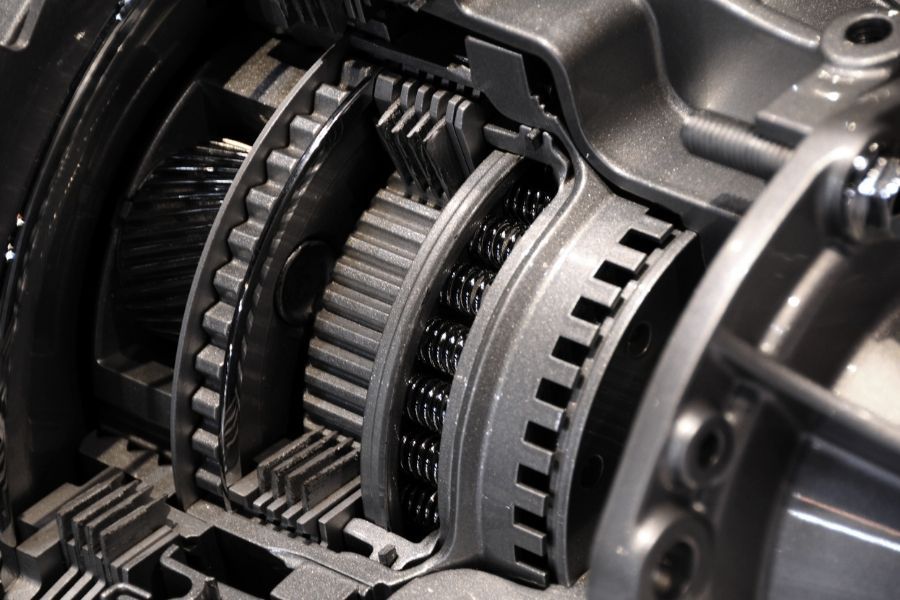
VW transmission service depends on the exact transmission in the vehicle. A DSG transmission, a dry-clutch DSG, and a conventional automatic transmission do not all use the same service logic. Before buying fluid, a filter, or a service kit, owners should confirm the model year, VIN, engine, and transmission type.
For many VW owners, the safest starting point is simple: identify the transmission first, then match the fluid, filter, and service interval to the official VW maintenance literature for that vehicle. This helps avoid the most common mistakes, such as using the wrong fluid, skipping a required filter, or following a service procedure meant for a different transmission.
Why VW Transmission Service Confuses So Many Owners
Volkswagen owners often search for “VW automatic transmission service” or “DSG fluid change” because they hear conflicting advice. Some are told the fluid is “lifetime.” Others are told DSG service is critical preventive maintenance. Some mechanics recommend leaving the transmission alone, while experienced owners often warn that skipping fluid and filter service can lead to expensive problems later.
A wet-clutch DSG, a dry-clutch DSG, and a conventional automatic transmission can have different fluid requirements, filters, seals, fill procedures, and service intervals. Advice that is correct for one transmission can be wrong for another.
That is why a smart VW transmission service does not begin with fluid. It begins with identification.
DSG vs. Automatic: What Is the Difference?
A DSG transmission is Volkswagen’s dual-clutch automatic transmission. It operates differently from a traditional automatic because it uses two clutch systems to preselect gears and deliver quick shifts. Many wet-clutch DSG units rely heavily on the correct fluid for clutch operation, hydraulic pressure, cooling, and smooth gear engagement.
A conventional automatic transmission uses a different internal design. It may still need transmission fluid and filter service, but the service process is not automatically the same as a DSG.
This distinction matters because VW service requirements are vehicle-specific. A general search result may say “change DSG fluid every 40,000 miles,” but that may not apply to every VW automatic. Another source may say “automatic transmission fluid is lifetime,” but that may not apply to a DSG unit with a listed service interval.
The better question is, “Which transmission does this VW have, and what does the maintenance literature require?”
Why OEM Transmission Fluid and Filters Matter
Transmission fluid is not just oil. In many VW transmissions, it helps manage heat, lubrication, pressure, clutch behavior, and shift quality. Using the wrong fluid can affect how the transmission feels and functions.
That is why VW owners tend to be cautious about fluid choice. Many prefer OEM VW transmission fluid because it reduces guesswork. Others may consider approved alternatives, but only when the fluid clearly matches the correct VW specification for the exact transmission.
The same rule applies to filters. If the transmission service requires a filter, the filter should not be treated as optional. A transmission filter helps capture debris, clutch material, and particles that can circulate through the system. Replacing fluid while ignoring a required filter can weaken the value of the service.
The safest rule is to use OEM VW transmission fluid and filters, or parts that clearly meet the required VW specification for your exact transmission.
This same fitment-first logic applies across the full VW maintenance system. The correct part matters whether you are replacing VW air filters, VW oil filters, or transmission service components. A part may look similar or fit physically, but that does not always mean it meets the correct requirement for the vehicle.
The “Lifetime Fluid” Problem
One of the most common frustrations among VW owners is the phrase “lifetime fluid.” Many drivers hear it and assume the transmission never needs service. Others believe “lifetime” may refer more to a warranty period or expected service window than to the full life of the vehicle.
The problem is that “lifetime fluid” is too vague to guide real maintenance decisions. VW owners need transmission-specific information, not a universal slogan.
A better approach is to check:
The vehicle’s model year.
The transmission type.
The VIN-based maintenance information.
Whether the service applies to DSG or automatic non-DSG.
Whether the service includes fluid only or fluid plus filter.
Whether severe driving conditions affect the interval.
Owners who drive in heavy traffic, hot climates, hilly areas, or aggressive stop-and-go conditions may want to pay closer attention to drivetrain service. Transmission fluid works harder under heat and load, and neglect can become expensive.
The key point: do not wait until shifting symptoms appear before learning about transmission maintenance. Harsh shifts, hesitation, slipping, or delayed engagement may indicate the conversation is already late.
Common VW Transmission Service Mistakes
1. Treating every VW automatic the same
The biggest mistake is assuming all VW automatic transmissions use the same fluid, filter, and interval. They do not.
2. Buying fluid before confirming the transmission
Fluid should be selected after confirming the exact transmission and required VW specification.
3. Skipping the filter when the service requires one
If the maintenance procedure calls for a filter, replacing fluid alone may be incomplete.
4. Following advice from the wrong vehicle
A forum post about one Golf, Jetta, Passat, Tiguan, or GTI may not apply to another model year or transmission.
5. Ignoring the level-setting procedure
Some VW transmission services require the fluid level to be set at a specific temperature with the vehicle level. Guessing can lead to underfilling or overfilling.
Why Fluid Level and Temperature Matter
For many VW transmission services, the procedure matters as much as the parts. Owners often assume transmission service is like an engine oil change: drain the old fluid, add the same amount back, and finish. However, that can be risky.
Some VW transmissions require a specific fill method and level-setting process. In certain services, the transmission fluid must reach a defined temperature range before the final level is set. Excess fluid may need to drain through a level plug or overflow system.
This matters because both low fluid and excess fluid can cause problems. Low fluid can affect pressure, lubrication, cooling, and engagement. Too much fluid can cause foaming or poor operation.
That is why many experienced VW owners warn against “just measure what comes out and refill the same amount.” If the transmission was already low, that method repeats the low-fluid condition. If it was overfilled, it would repeat that problem too.
A correct service restores the right fluid, the right filter if required, and the right level.
Should You DIY a VW DSG or Automatic Transmission Service?
Some VW owners perform DSG or automatic transmission service themselves. DIY can make sense for experienced owners with the correct tools, parts, and procedure. But this is not a casual maintenance job for everyone.
A proper DIY transmission service may require:
Correct OEM or VW-spec fluid.
Correct transmission filter, seals, and hardware.
A safe way to keep the vehicle level.
A scan tool or temperature-reading method.
A proper fill tool.
The exact service procedure for that transmission.
If those pieces are missing, a qualified VW specialist may be the better option. The goal is not just to replace fluid. The goal is to complete the service correctly.
Before booking a service, VW owners can ask the shop:
“Which transmission does my VW have?”
“What fluid specification are you using?”
“Does this service include the filter?”
“Will the fluid level be set at the correct temperature?”
“Is this procedure based on my VIN and model year?”
A good shop should answer these clearly.
Where Transmission Service Fits in VW Maintenance
Transmission service is part of a larger maintenance picture. Owners researching DSG fluid or automatic transmission service are usually trying to prevent long-term problems, not just solve one issue.
That same preventive mindset applies across the vehicle.
If the engine needs clean airflow, inspect or replace VW air filters. If the vehicle is due for an oil change, using the correct VW oil filters helps support engine protection. Higher-mileage vehicles may also need VW belts and hoses, especially if rubber components show cracking, swelling, or leaks.
For some models, VW fuel filters are part of maintaining proper fuel delivery. Gasoline engines may need VW spark plugs if there are misfires, rough idle, poor fuel economy, or sluggish acceleration. And simple safety items like VW wipers should not be ignored, especially before heavy rain or winter driving.
Transmission service should not be treated as an isolated repair. It belongs in a complete VW maintenance plan built around the vehicle’s exact equipment and service schedule.
How to Choose the Right VW Transmission Fluid and Filter
Before ordering parts, follow this sequence:
Confirm your VW model and year.
Confirm the transmission type.
Check the maintenance literature.
Match the fluid specification.
Confirm whether a filter is required.
Follow the correct procedure.
Fluid level, temperature, fill method, and seals all matter.
What Does This All Mean?
VW DSG and automatic transmission service becomes much easier when the first step is identification. Do not start with a bottle of fluid. Start with the vehicle.
Confirm the model year, VIN, engine, and transmission type. Then match the service interval, fluid, filter, seals, and procedure to the correct VW maintenance information. A wet-clutch DSG, dry-clutch DSG, and conventional automatic should not be treated as the same system.
For owners who want the safest maintenance path, identify the transmission first, use OEM or correct-spec fluid, replace the filter when required, and follow the proper level-setting procedure.
That is the best way to avoid wrong-part decisions, reduce service confusion, and support long-term VW drivability.
FAQ: VW DSG and Automatic Transmission Service
Do all VW automatic transmissions need the same fluid?
No. DSG transmissions and conventional automatic transmissions can require different fluids. Always match the fluid to the exact transmission and VW specification.
Is DSG fluid the same as regular automatic transmission fluid?
No. DSG fluid is designed for dual-clutch transmission operation. A conventional automatic fluid should not be assumed to work in a DSG.
Should the DSG filter be replaced with the fluid?
If the service procedure for your transmission includes a filter, it should be replaced. Always confirm by transmission type and maintenance literature.
Can I use aftermarket transmission fluid in my VW?
Only use fluid that clearly meets the correct VW specification for your exact transmission. OEM fluid is often the safest option for owners who want to avoid compatibility guesswork.
Is VW transmission fluid really lifetime?
Do not rely on the phrase “lifetime fluid” alone. Check the official service schedule for your model, year, and transmission.
What happens if VW transmission fluid is overfilled or underfilled?
Incorrect fluid level can affect shift quality, hydraulic pressure, lubrication, and transmission operation. Some VW services require temperature-based level setting.
Is VW transmission service worth it?
For many owners, correct transmission service is preventive maintenance. It can be far less expensive than dealing with transmission wear, poor shifting, or failure later.