
Why VW Coolant Flush Questions Are So Common
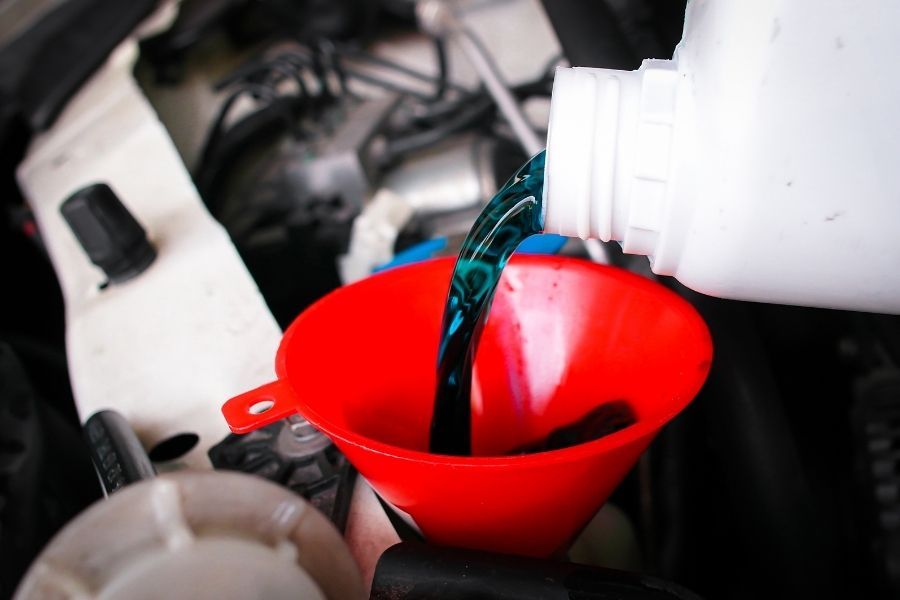
A VW coolant flush sounds like a simple maintenance task, but many Volkswagen owners quickly run into confusing questions. Is pink coolant the same as purple coolant? Can different VW coolant types be mixed? How often should coolant actually be changed? Is brown coolant just old, or is it a warning sign?
The confusion usually comes from one problem: VW coolant should not be chosen by color alone. The correct coolant depends on your vehicle’s required OEM specification, engine, model year, and cooling system condition.
A coolant flush is not just about replacing fluid. It helps protect the engine from overheating, corrosion, contamination, and reduced cooling performance. For many VW owners, coolant service becomes urgent when the level keeps dropping, the fluid looks dirty, or the service history is unknown.
This guide explains when a VW coolant flush may be needed, how to confirm the correct OEM coolant spec, and which signs mean your cooling system needs attention.
What Is a VW Coolant Flush?
A VW coolant flush is a service that removes old coolant from the cooling system and replaces it with fresh coolant that meets the correct Volkswagen specification.
Coolant circulates through the engine, radiator, hoses, water pump, and thermostat area to help regulate temperature. Over time, coolant can become old, diluted, contaminated, or mixed with the wrong fluid. When that happens, it may no longer protect the system as well as it should.
A coolant flush can help:
Restore proper cooling protection.
Reduce corrosion risk.
Remove old or contaminated fluid.
Improve system reliability.
Reset maintenance history on a used VW.
A flush is different from a top-off. A top-off only adds fluid to bring the reservoir back to the correct level. A flush replaces the old fluid in the system.
How Often Should You Flush VW Coolant?
There is no single coolant flush interval that applies to every Volkswagen. The correct timing depends on your model year, engine family, coolant type, driving conditions, and service history.
The safest first step is to check your owner’s manual or factory maintenance schedule. However, real-world owner discussions show that many VW drivers start considering coolant service when something looks or feels wrong.
A coolant flush is worth considering when:
The coolant looks brown, rusty, cloudy, oily, or sludgy.
The coolant level keeps dropping.
The car has unknown service history.
The wrong coolant may have been added.
You smell coolant around the engine bay.
The temperature gauge starts acting abnormally.
The vehicle was recently purchased used.
If your coolant looks clean, the level stays stable, and the correct spec is already confirmed, you may not need an immediate flush. But if the coolant is dirty, mixed, or unknown, a flush is often safer than repeated top-offs.
During coolant service, it is also smart to inspect nearby wear items. Aging hoses, weak clamps, or worn connections can cause leaks even after fresh coolant is added. If you are checking the cooling system, review related VW belts and hoses at the same time.
Which OEM Coolant Spec Does a VW Need?
Volkswagen coolant should be selected by OEM specification, not by color.
Many VW owners look at the reservoir and see pink, purple, or brown fluid. While color can offer clues, it does not guarantee compatibility. Two coolants can look similar but use different formulas.
Common VW coolant families include older G12 variants, G13, and newer G12evo formulas. The right one depends on your exact vehicle.
To confirm the correct coolant spec, check:
Your owner’s manual.
The coolant reservoir cap or label.
A VIN-based OEM parts lookup.
A trusted VW parts source.
A qualified Volkswagen technician.
Do not guess. If you are unsure what coolant your VW needs, confirm the specification before topping off or flushing the system.
Can You Mix VW Coolant Types?
Only mix coolant if the replacement fluid clearly meets the required VW specification for your exact vehicle.
This is one of the biggest concerns among VW owners because using the wrong coolant may contaminate the system. Some formulas may be compatible in certain cases, but exceptions exist. That is why color-matching alone is risky.
If you do not know what is already in the system, or if the coolant looks dirty, cloudy, brown, milky, or oily, a full drain and refill may be the safer option.
In an emergency, a small amount of distilled water may help prevent the system from running dangerously low. But this is only a temporary solution. Diluting the coolant can reduce freeze protection, boil protection, and corrosion resistance.
Signs Your VW Coolant Flush Is Overdue
1. Brown, Rusty, or Dirty Coolant
Clean VW coolant should not look like muddy water. Brown or rusty coolant may point to old fluid, corrosion, contamination, or mixed coolant.
Watery brown coolant may mean the system needs service. Thick, oily, milky, or sludgy coolant can suggest a more serious issue and should be inspected quickly.
2. Repeated Coolant Top-Offs
A sealed cooling system should not need constant refilling. If you are adding coolant every few weeks or months, there is likely a leak or pressure issue.
The leak may not always leave a puddle. Some coolant leaks only appear when the engine is hot, under pressure, or cooling down after driving.
Check for dried pink, purple, or white residue around:
Coolant reservoir.
Hose connections.
Radiator area.
Thermostat housing.
Water pump area.
Clamps and fittings.
If you notice residue near rubber lines or connections, inspect the condition of your VW belts and hoses before assuming the coolant itself is the only issue.
3. Sweet Smell Around the Engine Bay
Coolant often has a sweet smell. If you notice that smell after parking, idling, or opening the hood, your VW may have a small leak.
Do not ignore the smell just because the temperature gauge looks normal. A small seep can become a larger leak over time.
4. Overheating or Unstable Temperature
If your VW runs hotter than normal, fluctuates in traffic, or triggers a coolant warning light, the cooling system needs attention.
Possible causes include low coolant, trapped air, old fluid, a failing thermostat, weak hoses, water pump issues, or restricted coolant flow. A flush may help if the fluid is contaminated, but overheating should always be diagnosed properly.
5. Unknown Maintenance History
Used VW owners often do not know what coolant was added by the previous owner or shop. If service records are missing, the reservoir looks dirty, or the coolant color seems suspicious, a flush can help establish a clean maintenance baseline.
The same logic applies to other basic maintenance parts. If you recently bought a used VW, it is smart to inspect VW air filters, VW oil filters, and VW fuel filters so you are not relying on unknown service history.
Coolant Flush vs. Coolant Top-Off
A coolant top-off and a coolant flush are not the same service.
A top-off adds coolant to restore the level. It may be enough when the coolant is only slightly low, the fluid looks clean, the correct spec is confirmed, and there are no signs of a leak.
A flush removes old coolant and replaces it with fresh fluid. It is the better choice when the coolant is dirty, brown, cloudy, oily, mixed, diluted, or unknown.
If the coolant level keeps dropping, topping off alone is not a fix. The root cause still needs to be found.
What Happens If You Delay Coolant Service?
Delaying coolant service can allow small problems to become expensive repairs. Old or contaminated coolant may reduce corrosion protection, allow buildup, and make temperature control less reliable.
If there is an active leak, waiting too long can lead to low coolant, overheating, warning lights, and possible engine damage.
Most VW owner discussions share the same mindset: coolant issues should be taken seriously early. A smell, stain, low reservoir, or dirty fluid may be the first sign that the system needs inspection.
Simple VW Maintenance Checklist
Use this checklist to catch cooling system problems early:
Check coolant level only when the engine is cold.
Confirm the correct OEM coolant spec before adding fluid.
Inspect coolant color and clarity.
Look for dried residue around hoses and fittings.
Watch for sweet smells after driving.
Monitor the temperature gauge.
Review service records if the vehicle is used.
Replace weak hoses or worn parts before they cause leaks.
A good maintenance routine should go beyond coolant. Clean VW air filters, fresh VW oil filters, healthy VW spark plugs, and reliable VW wipers all help keep the vehicle dependable in daily driving.
A VW coolant flush matters when the fluid is dirty, the coolant type is unknown, or the cooling system shows warning signs. The safest rule is to use the correct OEM coolant specification, never rely on color alone, and take repeated top-offs, sweet smells, brown coolant, or temperature changes seriously.
If your VW has unknown service history, contaminated coolant, or signs of a leak, inspect the system before the problem grows. Fresh coolant helps, but the real goal is a clean, sealed, properly maintained cooling system.
FAQ
How often should you flush VW coolant?
Check your factory maintenance schedule first. A flush is usually worth considering when coolant is contaminated, the level keeps dropping, the wrong fluid may have been added, or the service history is unknown.
What color coolant does VW use?
VW coolant is often pink or purple, but color alone is not a reliable guide. Always confirm the required OEM coolant specification for your exact vehicle.
Can you mix VW coolant types?
Only mix coolant if the replacement fluid clearly meets the required VW specification. If the current coolant is unknown or contaminated, a drain and refill may be safer.
Is brown VW coolant bad?
Brown coolant is a warning sign. It may indicate old fluid, rust, contamination, or mixed coolant. Thick, milky, oily, or sludgy coolant should be inspected quickly.
Is topping off coolant the same as a flush?
No. A top-off restores the coolant level. A flush removes old coolant and replaces it with fresh fluid throughout the system.
Why does my VW keep losing coolant with no puddle?
Some leaks only appear when the engine is hot or under pressure. Check around hoses, the reservoir, radiator area, thermostat housing, and water pump area.