
What Causes Carbon Buildup in Volkswagen Engines and How to Prevent It
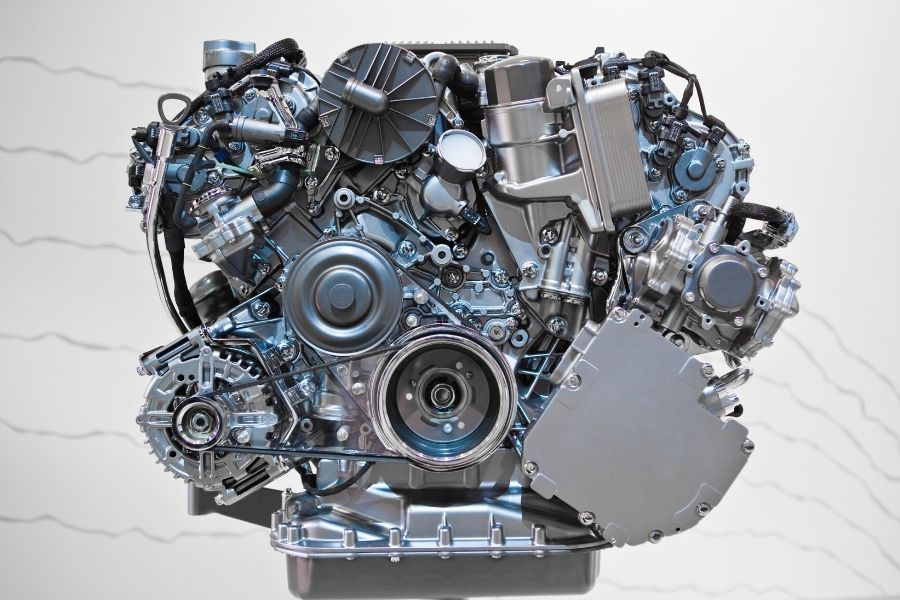
Carbon buildup is a common issue in many modern Volkswagen engines, but it doesn’t happen overnight, and in most cases, drivers won’t notice it until performance starts to change. Over time, however, carbon deposits can affect airflow, combustion, and overall engine responsiveness.
Understanding what causes VW carbon buildup, and how to prevent it, helps protect engine performance and supports long-term engine health. With the right maintenance approach and attention to key components, buildup can be minimized before it leads to more noticeable issues.
What Is Carbon Buildup in a Volkswagen Engine?
Carbon buildup refers to the accumulation of deposits inside the engine, most commonly on intake valves. These deposits form gradually as a result of normal engine operation and exposure to oil vapors and combustion byproducts.
As deposits increase, they can interfere with airflow and disrupt how the engine breathes. Even small restrictions can impact performance when they occur in critical areas.
What Causes Carbon Buildup in Volkswagen Engines?
Several factors contribute to carbon buildup, most of which are tied to how modern engines operate.
Direct Fuel Injection Systems
Many Volkswagen engines use direct fuel injection, which delivers fuel directly into the combustion chamber instead of over the intake valves. This improves efficiency but removes the natural cleaning effect that older systems provided.
Oil Vapors from Crankcase Ventilation
Oil vapors are recirculated through the intake system and can settle on intake valves over time. These vapors are one of the primary contributors to buildup.
Incomplete Combustion
Not all fuel burns completely during combustion. Residual particles can contribute to deposits, especially when combined with restricted airflow.
Short Trips and Stop-and-Go Driving
Short drives prevent the engine from reaching optimal temperature, which can increase deposit formation. Engines perform best when they operate consistently at full temperature.
Inconsistent Maintenance
Skipping routine maintenance allows contaminants to circulate through the engine. Regular oil changes and replacing components like Volkswagen oil filters help reduce the buildup of debris that contributes to carbon deposits.
Why Carbon Buildup Is More Common in Modern VW Engines
Modern Volkswagen engines are designed for efficiency and performance, but direct injection changes how deposits form. In older engines, fuel passed over intake valves and helped keep them clean. In newer designs, fuel bypasses these valves entirely.
This design improves fuel efficiency but increases the need for proper maintenance. The tradeoff is better performance with a greater reliance on clean airflow and consistent engine care.
How Carbon Buildup Affects Engine Performance
As carbon deposits accumulate, they begin to restrict airflow and disrupt combustion. Volkswagen engines rely on precise airflow control, so even minor restrictions can have noticeable effects.
Common impacts include:
Reduced airflow into the engine.
Slower acceleration.
Rough or uneven idle.
Increased likelihood of misfires.
Reduced fuel efficiency.
These symptoms often overlap with other maintenance issues, but carbon buildup is frequently a contributing factor.
How to Prevent Carbon Buildup in Your Volkswagen Engine
While carbon buildup is common, it can be managed with consistent maintenance and good driving habits.
Key prevention steps include:
Performing regular oil changes.
Using engine oil that meets Volkswagen specifications.
Replacing Volkswagen air filters to maintain clean airflow.
Maintaining fuel system components.
Driving the vehicle long enough to reach full operating temperature.
Clean airflow and proper combustion are the foundation of preventing buildup.
The Role of Engine Maintenance Parts in Preventing Buildup
Several maintenance components play a direct role in reducing carbon buildup by supporting proper airflow and combustion.
Air filters ensure clean air enters the engine.
Oil filters remove contaminants from circulating oil.
Fuel filters help maintain clean fuel delivery.
Volkswagen spark plugs ensure consistent ignition.
When these parts are replaced on schedule, they help maintain engine balance and reduce the conditions that allow buildup to form.
When Carbon Buildup Requires Professional Cleaning
In some cases, carbon buildup becomes severe enough that standard maintenance is no longer enough. When airflow is significantly restricted, professional cleaning may be required to remove deposits from intake valves.
These services are more involved and typically require specialized equipment. Preventative maintenance remains the most effective way to avoid reaching this stage.
Why Preventing Carbon Buildup Protects Long-Term Engine Health
Carbon buildup affects more than short-term performance. Over time, restricted airflow and uneven combustion can place additional strain on engine components.
Maintaining clean airflow and consistent combustion supports:
Stable engine performance.
Reduced internal wear.
Improved efficiency.
Long-term engine reliability.
Volkswagen engines are designed to operate with precision. Preventing buildup helps maintain that precision and protects the systems that depend on it.
Protect Your Volkswagen Engine with the Right Maintenance Approach
Carbon buildup is gradual, but it can be managed with the right approach. Consistent maintenance and attention to key components help keep airflow clean and combustion efficient.
If you’re maintaining your vehicle, explore genuine Volkswagen engine components designed to support proper airflow, clean combustion, and long-term engine performance.