
Break Down Your VW Brake Noise by Symptom
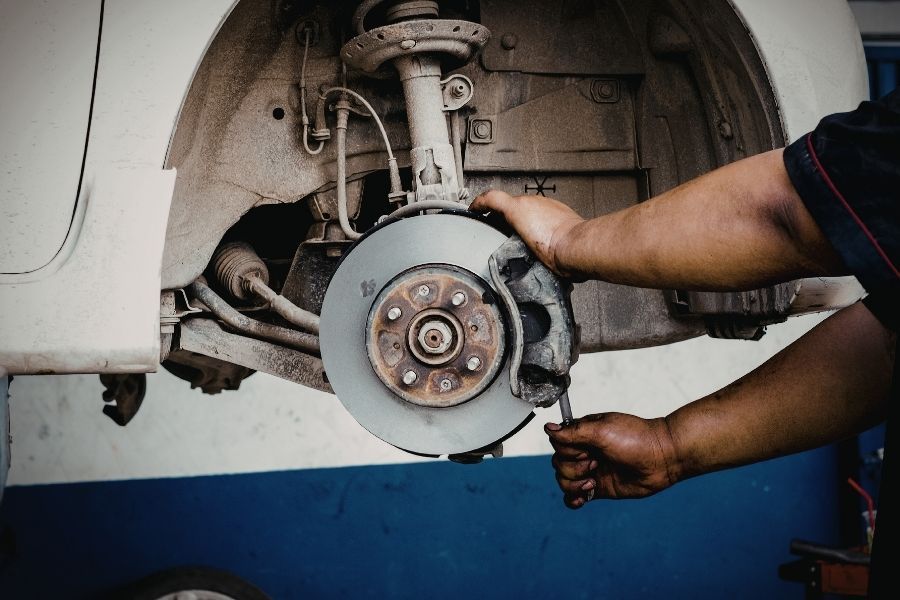
VW brake noise is easier to diagnose when you classify the sound first. The sound type, when it happens, whether it changes with pedal pressure, and whether it comes from the front or rear can narrow the cause quickly. Volkswagen notes that a brake wear warning means the pads should be checked, and a red brake warning can indicate a brake system malfunction or low brake fluid.
Manufacturers use the same approach during brake-noise diagnosis. The most useful details are sound type, axle location, wheel rotation direction, and whether the brakes are hot or cold when the noise occurs.
VW Brake Noise Quick Diagnosis Table
Brake sound | What it often indicates | Inspect first | Urgency |
Squeaking or squealing | Normal friction noise, pad wear, wear indicator contact, poor bedding, or cold and humid conditions. | Pad thickness, rotor surface, wear indicator, recent brake service history. | Low to medium |
Grinding | Pads or discs near or below wear limits, or visible brake damage. | Pads, rotors, brake warning lights, stopping feel. | High |
Clicking or rattling | Loose or worn hardware, pad movement, shim or retainer issues, caliper-related movement. | Hardware, pad fitment, caliper retainers, wheel-corner components. | Medium |
Scraping | Rotor or pad damage, metal contact, or nearby shield contact. | Rotor face, pad edges, splash shield, contact marks. | Medium to high |
Groaning or moaning | Friction behavior during low-speed braking, break-in conditions, or surface contamination. | Pads, rotors, bedding history, repeatability of the sound. | Low to medium |
What Each VW Brake Sound Usually Means
Squeaking or Squealing
A squeak or squeal usually points to pad-to-rotor friction behavior. Manufacturer bulletins note that brake noise can come from pads or discs near their wear limits, pads and discs that were not properly bedded after installation, or aftermarket friction parts. Some brake noise can also be normal during the break-in phase, and cold or humid conditions can increase noise during the first few stops.
If your VW squeaks during the first stop of the day and then becomes quiet, inspect before replacing parts. If the squeak stays constant, gets louder, or appears with a brake warning, move to a physical brake inspection sooner. Volkswagen’s brake wear indicator guidance is clear: worn pads should be checked and replaced as needed.
Grinding
Grinding is the brake sound that deserves the most caution. Manufacturer service documents list worn pads or discs near or below wear limits and visible pad or disc damage among the most common causes. If the grinding is metal-on-metal, rotor condition and braking performance can deteriorate quickly.
If your VW grinds while braking, do not assume it is minor. Check for warning lights, reduced stopping confidence, vibration, pulling, or heat. A brake warning with low fluid or system malfunction is not a wait-and-see issue.
Clicking or Rattling
A click, clunk, or rattle often points to brake hardware fitment, pad movement, or caliper-retainer-related issues. OEM service bulletins tie rattle or clunk noises to brake pad shims, mounting hardware, or excessive clearance. Other bulletins show caliper-related noise can occur during braking or turning.
If the noise is a sharp click once per wheel rotation, note whether it changes with speed. If it happens mostly over bumps or while turning, confirm the sound is coming from the brake corner and not from the wheel area or a nearby loose component.
Scraping
A scraping sound usually means something is touching where it should not. That can involve a worn friction surface, rotor or pad damage, or contact from nearby metal components. Brake inspections should focus on pad thickness, rotor condition, and visible contact marks before parts are ordered.
If the scraping seems to come from the wheel opening instead of from pedal application, inspect nearby contact points around the wheel and the splash guards or wheels before assuming the rotor is the only cause.
Groaning or Moaning
A groan or low-speed moan can happen during brake application, especially with certain friction conditions. Manufacturers also note that some brake noise can be characteristic during break-in or under specific environmental conditions. The key factors are repeatability, severity, and whether braking feel has changed.
Diagnose VW Brake Noise by When it Happens
Noise Only When Pressing the Brake Pedal
If the sound appears only under pedal application, start with pads, rotors, calipers, and hardware. The more directly the noise tracks with pedal pressure, the more likely the source is inside the brake assembly.
Noise at Low Speed
Low-speed squeak or groan is often easier to hear because road and wind noise are lower. Manufacturer bulletins specifically note that squeal can occur with light to medium pedal pressure, and some rear-brake noise may appear during the first few stops or with cold brakes and humidity.
Noise When Reversing
Reverse-direction brake noise matters because OEM diagnostic processes ask technicians to record the direction of wheel rotation when the sound occurs. If the sound happens only in reverse, record whether it is front or rear, left or right, and whether it disappears after a few stops.
Noise After the Car Sits Overnight
A morning-only noise is often less serious than an all-day noise. Manufacturers note that cold brakes and humidity can change brake sound during early stops. If the noise fades after a short drive and braking remains smooth, inspect rather than panic. If the noise worsens, stays constant, or pairs with pulsation or pull, escalate the inspection.
Noise Only After Brake Service
New pads and discs that were not properly bedded can generate noise. Manufacturer bulletins specifically list incomplete embedding or bedding as a common cause. If the noise began right after service, confirm the installed parts, pad fitment, hardware condition, and bedding procedure before replacing additional parts.
What to Inspect First Before Ordering Brake Parts
Brake noise most often traces back to five areas: pad wear, rotor condition, caliper movement, hardware fit, or nearby component contact. Manufacturer guidance consistently centers inspection on wear limits, visible damage, fitment, and friction-part condition.
Start with the basics:
1. Brake Pads and Wear Indicators
Look for low pad thickness, uneven wear, or visible contact from the wear indicator. Worn pads can squeal or grind. If a wear warning is active, the pads should be checked immediately.
2. Rotors or Discs
Check for scoring, grooves, surface damage, or signs of heavy wear. A damaged rotor can scrape, pulse, or amplify pad noise.
3. Calipers and Slide Movement
A sticking caliper can keep friction material in contact longer than it should. That can create persistent noise, uneven wear, or heat buildup.
4. Brake Hardware
Loose or worn hardware can create clicking, rattling, or intermittent noise. Inspect shims, clips, retainers, and pad fitment.
5. Nearby Contact Points
Not every wheel-area sound is a brake failure. Contact from a shield or nearby metal surface can mimic brake noise. Inspect the wheel corner for rub marks, bent metal, or loose surrounding pieces before ordering parts.
When to Stop Driving Immediately
Stop driving and inspect the brakes as soon as possible if you hear metal-on-metal grinding, heavy scraping, or brake noise combined with a red brake warning, a soft pedal, strong pull, vibration, or an overheating smell.
Volkswagen’s warning guidance says a red brake warning can indicate a malfunction or low fluid, and worn-pad warnings should not be ignored.If the brake pedal feels obstructed or does not return normally, also confirm that the driver-side floor mats are correctly secured. Safety bulletins warn that an incorrect or unsecured floor mat can interfere with brake-pedal operation.
Brake Noise That is Often Mistaken for a Brake Problem
Not every sound near the wheel area is caused by the brake assembly. If the sound continues without pedal application, changes mostly with road speed, or appears only in certain driving conditions, widen the inspection before ordering brake parts. Use the same logic manufacturers use during diagnosis: note axle, wheel direction, hot-or-cold condition, and operating context.
The main goal is to separate true brake-applied noise from general vehicle noise.
FAQ
Why do my VW brakes squeak at low speed?
Low-speed squeak can happen because brake noise is easier to hear at low road speed, and manufacturer bulletins note that squeal can occur with light to medium pressure, especially during early stops, cold conditions, or humidity. Persistent squeak still deserves an inspection for wear, fitment, or bedding issues.
What does grinding brake noise mean on a Volkswagen?
Grinding usually means the brake assembly needs prompt inspection. Manufacturer guidance ties brake noise to worn pads or discs near or below wear limits and to visible damage in the brake system.
Can new VW brakes make noise?
Yes. Manufacturer bulletins say some brake noise can occur during break-in, and pads or discs that were not properly bedded can also create noise after service.
Why do VW brakes make noise in reverse?
Reverse-only brake noise is a useful diagnostic clue. OEM brake-noise procedures specifically ask technicians to record wheel rotation direction because the pattern can help narrow the cause.
What should I check before ordering brake parts?
Record the noise type, axle, direction of wheel rotation, and hot-or-cold condition first. Then inspect for wear, damage, fitment issues, and nearby non-brake contact points around the wheel area.