
VW Brake Caliper Symptoms, Causes & Replacement
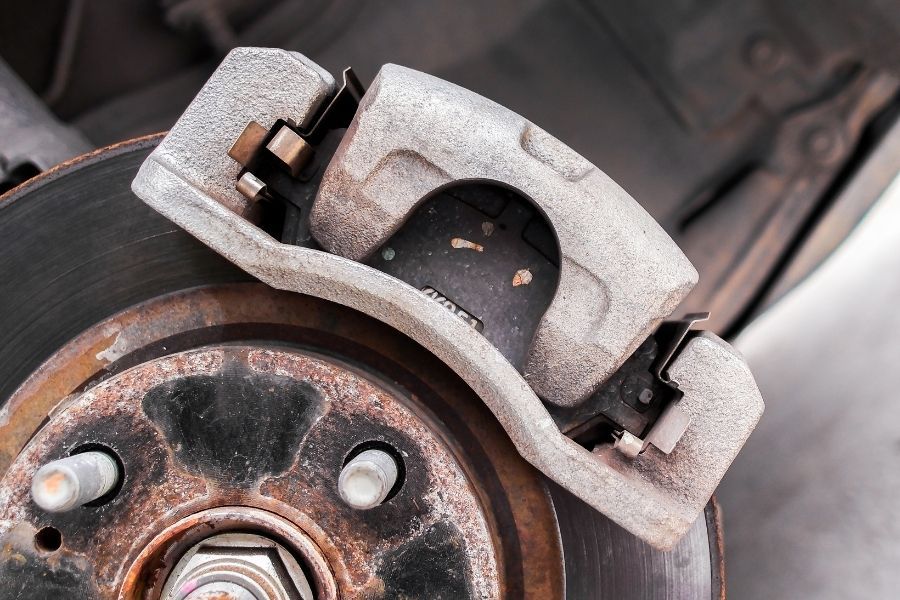
A failing VW brake caliper usually causes pulling while braking, one wheel getting much hotter than the others, uneven brake pad wear, brake noise, or inconsistent pedal feel. In most cases, replacement should start with a full inspection of the pads, rotors, guide pins, boots, brackets, and brake fluid condition so you fix the root cause instead of replacing one part and leaving the real problem behind.
If you are hearing noise first, read VW Brake Noise Diagnosis by Symptom. If you already know you need brake parts, browse the VW brakes category for OEM components.
What Is a VW Brake Caliper?
A VW brake caliper is the part of the braking system that squeezes the brake pads against the brake rotor to slow or stop the vehicle.
A typical brake caliper assembly works with:
Caliper bracket
Guide pins
Caliper piston
Dust boots and seals
Brake hose
Bleeder screw
Caliper bolts and hardware
If any of these parts stick, seize, leak, loosen, or wear unevenly, braking performance can suffer.
What Are the Signs of a Bad VW Brake Caliper?
1. The Car Pulls to One Side When Braking
A sticking caliper can apply more force on one side than the other. That creates uneven braking and may cause the vehicle to pull left or right during stops.
What it usually means: One caliper may be sticking, one piston may not be retracting correctly, or one side may have restricted slide-pin movement.
2. One Wheel Feels Much Hotter Than the Others
A caliper that does not release fully can leave the pad dragging on the rotor. That creates excess friction, heat, odor, and premature wear.
Common clue: One wheel gives off more heat after normal driving, or you notice a burning smell from one corner.
3. Brake Pads Wear Unevenly
Uneven pad wear is one of the clearest signs of caliper trouble.
Examples include:
Inner pad worn much faster than outer pad.
Left front pad worn faster than right front pad.
One corner wearing out far earlier than the rest.
What it usually means: The caliper piston, guide pins, or hardware may not be moving evenly.
4. You Hear Grinding, Clicking, or Rattling From One Corner
A bad caliper can contribute to brake noise if the pad is dragging, the hardware is loose, or the caliper is no longer moving correctly.
Noise may sound like:
Grinding.
Metallic scraping.
Clicking during braking.
Rattling from one wheel area.
If noise is your main symptom, compare it with VW Brake Noise Diagnosis by Symptom.
5. The Brake Pedal Feels Inconsistent
A sticking or leaking caliper can change pedal feel, especially after repeated stops.
You may notice:
A soft pedal.
A pedal that changes height.
Inconsistent stopping response.
Brake fade after repeated braking.
6. You See Fluid Around the Caliper
If brake fluid is visible near the caliper, piston seal, or bleeder area, inspect the vehicle immediately.
Brake fluid leaks are a safety issue. Do not ignore wetness around the brake assembly.
What Causes a VW Brake Caliper to Fail?
The most common causes are mechanical sticking, seal failure, corrosion, or heat damage.
Common causes of caliper failure:
Sticking guide pins
Seized caliper piston
Torn dust boots or damaged seals
Corrosion inside the caliper bore
Overheated brakes
Worn or damaged hardware
Collapsed brake hose restricting fluid return
Improper previous brake service
In many cases, the caliper itself is not the only problem. Pads, rotors, hardware, and hose condition should be checked at the same time.
Bad Caliper or Something Else? How to Tell the Difference
Not every brake symptom points to the caliper alone.
Bad Caliper vs. Worn Pads
Bad caliper: one-sided wear, dragging, hot wheel, pull during braking
Worn pads: general wear, squeal indicators, reduced pad thickness on both sides
Bad Caliper vs. Bad Rotor
Bad caliper: heat concentrated at one corner, uneven wear, sticking feel
Bad rotor: pulsation, scoring, vibration, heat spotting, visible surface damage
Bad Caliper vs. Loose Hardware
Bad caliper: sticking, drag, pull, uneven force
Loose hardware: rattle or clicking, especially over bumps or during brake apply/release
Bad Caliper vs. Brake Hose Problem
Bad caliper: piston or slide mechanism sticks mechanically
Brake hose issue: pressure may apply normally but not release correctly, causing pad drag
This is why a full corner inspection matters before ordering parts.
How to Inspect a VW Brake Caliper Before Replacing It
1. Confirm Which Corner Has the Problem
Start by identifying whether the issue is:
Front or rear
Left or right
Constant or only during braking
Worse when hot or after repeated stops
A precise symptom location makes diagnosis faster and prevents unnecessary part replacement.
2. Check Brake Pad Wear
Compare the pad thickness on both sides of the axle.
Look for:
One pad worn much thinner than the other
Inner pad worn faster than outer pad
One corner wearing faster than the opposite side
Uneven wear strongly suggests caliper, guide-pin, or hardware issues.
3. Inspect the Rotor Surface
Look for:
Heavy scoring
Blue spots or heat marks
Cracks
Uneven contact pattern
Excessive lip or wear
Rotor condition helps show whether the pad has been dragging.
4. Inspect Slide Pins and Hardware
Make sure the caliper slides smoothly and the hardware is intact.
Check for:
Frozen guide pins
Torn pin boots
Missing anti-rattle hardware
Rust buildup
Loose fasteners
5. Check the Caliper for Leaks or Boot Damage
Inspect the caliper body, piston area, and bleeder area for:
Brake fluid
Torn dust boots
Corrosion
Physical damage
6. Compare Heat Carefully
After driving, one corner that is much hotter than the others may indicate drag.
Safety note: Do not touch the rotor or caliper directly after driving. Brake components can become extremely hot.
How to Replace a VW Brake Caliper
Brake caliper replacement affects a critical safety system. If you are not experienced with brake work, have a qualified technician perform the repair.
Typical Replacement Process
Raise and secure the vehicle.
Remove the wheel.
Inspect pads, rotor, hose, hardware, and bracket.
Remove the old caliper.
Transfer or replace required hardware as needed.
Install the new OEM caliper.
Reconnect the brake hose correctly.
Bleed the brake system.
Recheck brake fluid level.
Verify there are no leaks.
Test brake pedal feel before driving.
Perform a careful road test.
Replace more than just the caliper when needed.
A new caliper may not solve the problem if these parts are also worn:
Brake pads
Brake rotor
Guide pins
Pin boots
Bracket hardware
Brake hose
For many repairs, the best result comes from replacing the failed part and any obviously damaged wear items in the same brake corner.
Should You Replace Only the Caliper?
Sometimes yes, but not automatically.
Replace only the caliper only if the rest of the brake corner is still in good condition. If the pads are unevenly worn, the rotor is heat-damaged, or the pin hardware is sticking, those parts should be addressed too.
A better repair decision usually comes from inspecting:
Pad condition
Rotor condition
Pin movement
Boot condition
Hose condition
Brake fluid leaks
Opposite-side wear pattern
When Should You Stop Driving Immediately?
Inspect the vehicle as soon as possible if you notice any of these signs:
The car pulls hard during braking.
One wheel becomes much hotter than the others.
You hear grinding from one corner.
Braking feels weak or inconsistent.
You see brake fluid around the caliper.
A brake warning light appears.
Do not keep driving with a suspected brake fluid leak or severe brake drag.
FAQ
What are the signs of a bad VW brake caliper?
The most common signs are pulling while braking, one hot wheel, uneven brake pad wear, brake noise, fluid leakage, and inconsistent pedal feel.
Can a stuck caliper cause brake noise?
Yes. A stuck caliper can keep the pad in contact with the rotor, which may cause grinding, scraping, clicking, or heat-related brake noise.
Can I drive with a bad VW brake caliper?
It is not recommended. A bad caliper can reduce braking control, overheat one wheel, damage pads and rotors, or leak brake fluid.
Should I replace pads and rotors with a new caliper?
You should inspect them at the same time. If the pads are unevenly worn or the rotor shows heat damage, replacing only the caliper may not be enough.
What causes one brake pad to wear faster than the other?
The most common causes are a sticking caliper piston, frozen guide pins, damaged hardware, or uneven caliper movement.
How do I know if the brake hose is the problem instead of the caliper?
A restricted brake hose can hold pressure in the caliper and mimic a sticking caliper. If symptoms point to brake drag, inspect both parts before ordering.
What parts work with a VW brake caliper?
The caliper works with the brake pads, rotor, bracket, guide pins, boots, hose, bleeder screw, and mounting hardware.