
How Volkswagen Engines Handle Heat and Which Parts Protect Them Most
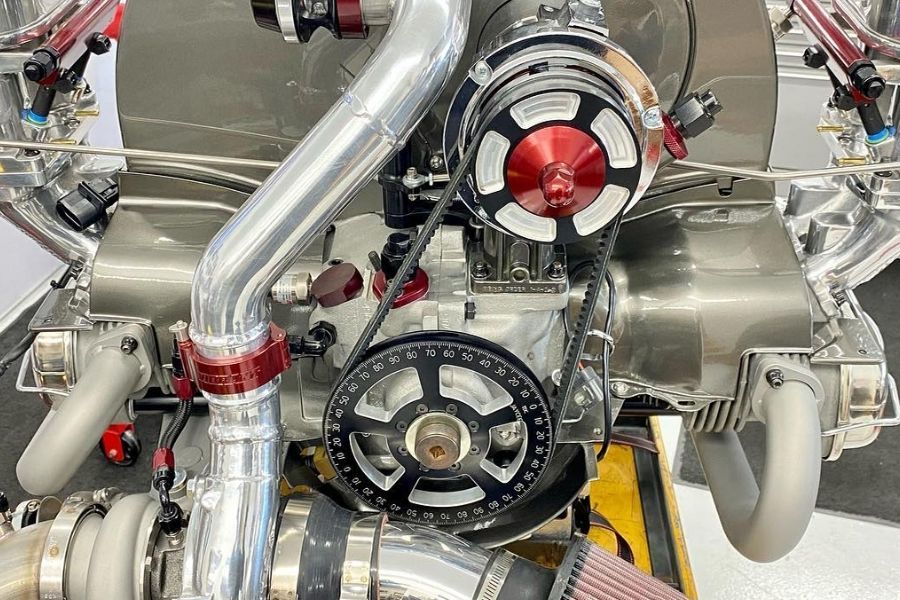
Volkswagen engine heat management plays a critical role in long-term reliability. Heat is a constant byproduct of combustion and friction, and without proper control, it becomes one of the fastest ways to shorten engine life. For Volkswagen engines, which rely on precise tolerances and tightly coordinated systems, managing temperature is important for engine heat protection and long-term performance.
Understanding how Volkswagen engines handle heat, and which components do the most work behind the scenes, helps owners make smarter maintenance decisions and avoid damage that builds quietly over time.
Why Engine Heat Is a Critical Concern for Volkswagen Vehicles
Every engine generates heat, but not every engine handles it the same way. As temperatures rise, metal expands, oil thins, and components operate under increased stress. If heat isn’t regulated properly, internal wear accelerates and reliability drops.
Volkswagen engines are particularly sensitive to temperature control because of their engineering precision. Tight clearances between moving parts mean even small temperature fluctuations can affect performance. Stable engine temperature control supports consistent lubrication, proper combustion, and predictable operation.
Thermal protection for Volkswagen engines is about maintaining balance, keeping components within a narrow temperature range where they perform best and last longest.
How Volkswagen Engines Are Designed to Manage Heat
Volkswagen engine heat management relies on a coordinated system rather than a single component. Heat is controlled through a combination of coolant circulation, oil flow, airflow, and pressure regulation.
The cooling system absorbs and dissipates heat from the engine block, cylinder head, and surrounding components. At the same time, oil carries heat away from moving parts such as bearings, camshafts, and turbochargers. These systems work together to prevent hot spots, regulate expansion, and protect internal surfaces.
Because Volkswagen engines are designed with efficiency in mind, the margin for error is smaller. Each part in the cooling and lubrication system must function correctly to maintain consistent temperature control.
The Cooling System Components That Protect VW Engines Most
Several cooling system components play a direct role in engine heat protection. When these parts work properly, they maintain stability even under demanding driving conditions.
Radiators and Coolant Flow
The radiator is responsible for transferring heat away from the engine. As coolant circulates through the engine and radiator, heat is released into the air. Proper coolant flow ensures that heat doesn’t concentrate in one area.
Volkswagen radiator components are engineered to support steady circulation and efficient heat exchange. Restrictions, internal corrosion, or poor flow can quickly lead to rising temperatures and uneven cooling.
Thermostats and Temperature Regulation
The thermostat controls when coolant flows through the radiator. If it opens too late or fails to respond accurately, engine temperatures can spike. If it opens too early, the engine may never reach optimal operating temperature.
VW thermostats are calibrated to maintain precise engine temperature control. This balance supports efficient combustion, reduces emissions, and minimizes wear caused by thermal cycling.
Cooling Hoses and Belts
Cooling hoses and belts handle pressure, vibration, and high temperatures every time the engine runs. Over time, heat causes rubber to harden, crack, or weaken.
OEM VW cooling parts are built to withstand constant exposure to heat and pressure. When hoses or belts degrade, coolant loss or circulation failure can follow, often without much warning.
The Role Oil Plays in Engine Heat Protection
Oil plays a major role in engine heat protection. As oil moves through the engine, it absorbs heat from critical components and carries it away, helping regulate internal temperatures.
Clean, properly flowing oil supports thermal protection for Volkswagen engines by reducing friction and preventing localized overheating. When oil quality drops or flow becomes restricted, heat builds faster and lubrication effectiveness declines.
Clean oil protects not just the engine block, but also components like turbochargers, timing systems, and valvetrain assemblies, parts that rely on consistent lubrication and are especially vulnerable to heat-related stress.
What Happens When Heat Management Parts Begin to Fail
Heat-related damage often develops gradually, which makes it easy to overlook. When cooling or lubrication components begin to fail, symptoms may appear slowly before escalating into serious problems.
Common consequences include:
Rising operating temperatures.
Coolant loss or pressure imbalance.
Oil breakdown and sludge formation.
Sensor malfunctions triggered by heat stress.
Warped components and accelerated internal wear.
Without intervention, these issues compound. Over time, overheating can lead to gasket failure, bearing damage, or compromised engine structure. Preventing engine overheating is far easier than repairing the damage it causes.
Heat damage rarely announces itself early. In reality, it quietly shortens engine life until repairs become unavoidable.
OEM Cooling Parts’ Role in Volkswagen Heat Control
Not all cooling components are designed with Volkswagen engines in mind. OEM VW cooling parts are engineered to match exact specifications for material strength, pressure tolerance, and fitment accuracy.
OEM components support:
Consistent coolant flow under high heat.
Proper pressure regulation.
Accurate thermostat response.
Reliable hose and belt durability.
Aftermarket alternatives may function initially, but differences in materials or tolerances can affect long-term performance. Even small inconsistencies can lead to uneven cooling or premature wear in heat-sensitive systems.
Using OEM parts helps preserve engine heat protection as Volkswagen intended.
Signs Your Volkswagen May Be Struggling With Heat Regulation
Heat management issues don’t always present as immediate overheating. Early warning signs should not be ignored.
Watch for:
Temperature gauge fluctuations.
Dashboard warning lights.
Coolant loss without visible leaks.
Reduced performance or hesitation.
Unusual engine smells or sounds.
Addressing these signs early helps protect VW engine longevity and prevents minor issues from turning into major repairs.
Supporting Heat Control Through Preventative Maintenance
Preventative maintenance plays a major role in Volkswagen engine heat management. Regular inspections help identify worn or weakened components before they fail.
Supporting heat control includes:
Replacing aging hoses and belts.
Ensuring coolant and oil remain clean.
Inspecting thermostats and radiators.
Addressing leaks or pressure issues early.
Heat protection works best when the entire system is balanced. Maintaining one component while ignoring others increases stress elsewhere in the engine.
Why Heat Management Matters for Long-Term Engine Health
Heat affects every part of engine performance. When temperature stays controlled, internal components experience less stress, lubrication remains effective, and the engine operates consistently over time. Proper heat management supports longer engine life, fewer maintenance issues, and more reliable performance overall.
Volkswagen engines are designed for efficiency, but that efficiency depends on stable thermal control. Small cooling and lubrication components work together to protect the entire system. When they function properly, they prevent internal wear and help preserve long-term value. When they’re neglected, heat-related damage can build quietly beneath the surface.
Protecting your engine from heat is a proactive step toward long-term reliability. Explore OEM Volkswagen cooling components designed to support proper heat control and help keep your engine performing as intended.