
The Ultimate Guide to Choosing the Right Spark Plug for Your Volkswagen
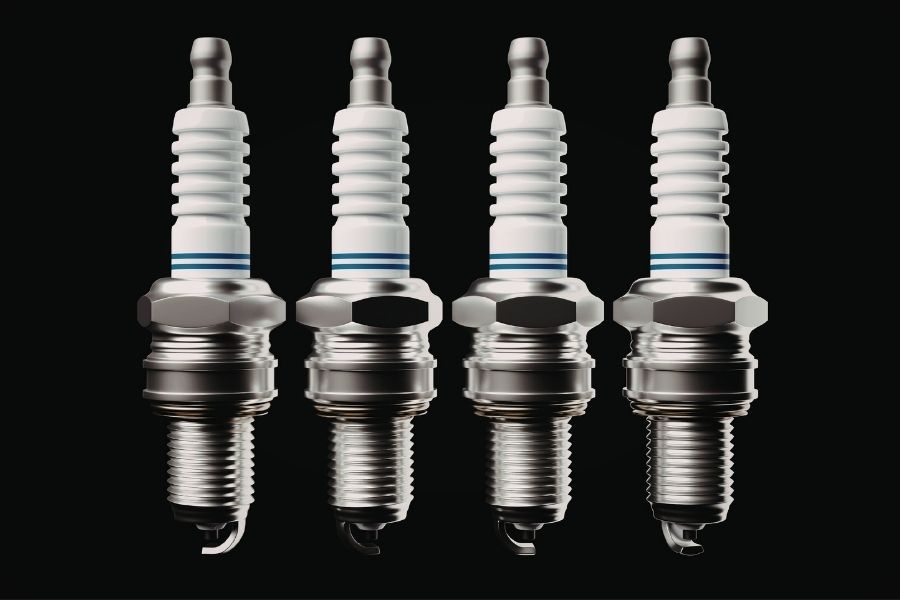
Spark plugs are one of the most important components in your Volkswagen’s engine, yet they’re often overlooked until performance starts to decline. Every time you start your vehicle, accelerate, or idle at a stoplight, your spark plugs are working behind the scenes to ignite the air-fuel mixture that powers the engine. Choosing the right spark plug plays a direct role in how smoothly your Volkswagen runs, how efficiently it burns fuel, and how well the engine holds up over time.
Volkswagen engines are engineered with tight tolerances and specific performance expectations. Selecting spark plugs that match those requirements helps maintain consistent ignition, protects engine components, and supports long-term reliability.
Why Spark Plugs Matter for Your Volkswagen
Spark plugs sit at the center of the combustion process. Their job is to create a precise spark that ignites the air-fuel mixture inside each cylinder. When spark plugs function properly, combustion stays consistent and controlled. The result is smoother acceleration, stable idle, and efficient fuel use.
When spark plugs begin to wear, combustion becomes less reliable. Misfires, hesitation, and rough idling can follow. Over time, worn or incorrect spark plugs can place additional strain on ignition coils, sensors, and internal engine components.
Because Volkswagen vehicles are designed for precision, spark plug selection matters. Each engine, whether turbocharged or naturally aspirated, requires a spark plug with specific characteristics to operate as intended.
Understanding Spark Plugs: More Than a Simple Component
While spark plugs may look simple, their design and materials have a major impact on performance and durability. Modern Volkswagen engines operate at higher pressures and temperatures than older designs, placing greater demands on ignition components.
Spark plugs must be able to:
Withstand repeated heat cycles.
Deliver consistent ignition under load.
Maintain proper gap and voltage requirements.
Resist wear over extended service intervals.
High-performance Volkswagen models place even more stress on spark plugs due to increased boost pressure and heat. Daily-driven models still require accurate ignition timing to maintain efficiency and drivability. In both cases, using the correct spark plug helps protect the engine from uneven combustion and premature wear.
Key Factors to Consider When Choosing Spark Plugs for Your Volkswagen
Choosing the right spark plug involves more than selecting a brand name. Several technical factors determine how well a spark plug performs in your specific Volkswagen engine.
Engine Size and Configuration
Volkswagen offers a wide range of engine designs, each with its own ignition requirements. Turbocharged engines place higher thermal and pressure demands on spark plugs, while larger displacement engines require plugs designed for sustained combustion stability. Matching the spark plug to the engine design ensures consistent performance.
Spark Plug Material
Spark plugs are commonly made from copper, platinum, or iridium.
Copper spark plugs provide strong ignition but wear more quickly.
Platinum spark plugs offer improved durability and stable performance.
Iridium spark plugs deliver the longest service life and consistent ignition under high heat.
Modern Volkswagens are typically designed to use platinum or iridium spark plugs to support longer maintenance intervals and reliable ignition.
Heat Range
The heat range determines how quickly a spark plug dissipates heat. If the heat range is incorrect, the spark plug may either retain too much heat or fail to reach proper operating temperature. Volkswagen engines rely on specific heat ranges to avoid carbon buildup, pre-ignition, or performance loss.
Voltage Requirements and Gap Size
Each Volkswagen engine requires a specific voltage output and spark gap for optimal combustion. Incorrect gap size can lead to misfires or inconsistent ignition. OEM-spec spark plugs are pre-set to meet these requirements, reducing the risk of ignition issues.
Quality and Manufacturing Standards
Spark plugs built to OEM standards meet Volkswagen’s ignition specifications. High-quality manufacturing ensures consistent performance across thousands of ignition cycles and supports long-term engine protection.
Common Signs It’s Time to Replace Your Spark Plugs
Spark plugs wear gradually, which makes early signs easy to miss. Replacing them at the right time helps prevent performance problems and protects other ignition components.
Watch for these indicators:
Engine misfires during acceleration or idle.
Reduced fuel efficiency.
Rough or unstable idle.
Delayed or difficult engine starts.
Check engine light triggered by ignition irregularities.
Addressing spark plug wear early helps maintain smooth operation and prevents strain on coils and sensors.
How to Choose the Right Spark Plug for Your Volkswagen Model
Selecting the correct spark plug starts with knowing your vehicle’s year, model, and engine type. Each Volkswagen platform has specific ignition requirements designed around its engine configuration.
Performance-focused models require spark plugs capable of handling higher temperatures and pressures, while everyday models benefit from spark plugs optimized for efficiency and consistency. Choosing plugs designed for your exact engine helps maintain factory-level performance.
OEM spark plugs are engineered to match Volkswagen’s original specifications, ensuring proper fit, gap, and ignition behavior. This eliminates guesswork and reduces the risk of compatibility issues.
Why OEM Spark Plugs Matter for Long-Term Engine Health
OEM spark plugs are designed specifically for Volkswagen engines. They match factory heat ranges, voltage requirements, and materials, helping maintain consistent combustion across all driving conditions.
Using OEM spark plugs supports:
Stable ignition timing.
Reduced misfire risk.
Improved engine efficiency.
Longer service life for ignition components.
Aftermarket alternatives may work initially, but differences in materials or tolerances can affect long-term reliability. OEM spark plugs help preserve the balance Volkswagen engines rely on.
Supporting Engine Performance Through Proper Spark Plug Maintenance
Spark plugs play a key role in overall engine performance, but they work best when combined with consistent maintenance practices. Clean air intake, proper fuel delivery, and healthy ignition components all contribute to efficient combustion.
Replacing spark plugs at recommended intervals helps maintain smooth operation and reduces the likelihood of cascading issues. Preventive maintenance is always easier and more reliable than correcting problems after they develop.
Spark plugs may be small, but their impact on Volkswagen performance is significant. Choosing the correct spark plug helps maintain smooth ignition, protect internal engine components, and support long-term reliability. By selecting spark plugs built to Volkswagen’s specifications and replacing them on time, you help ensure your engine performs the way it was designed to.
Explore OEM Volkswagen spark plugs designed to support consistent ignition and long-term engine performance, and keep your vehicle running at its best.