
How Oil Filters Protect Your Volkswagen Engine Long-Term
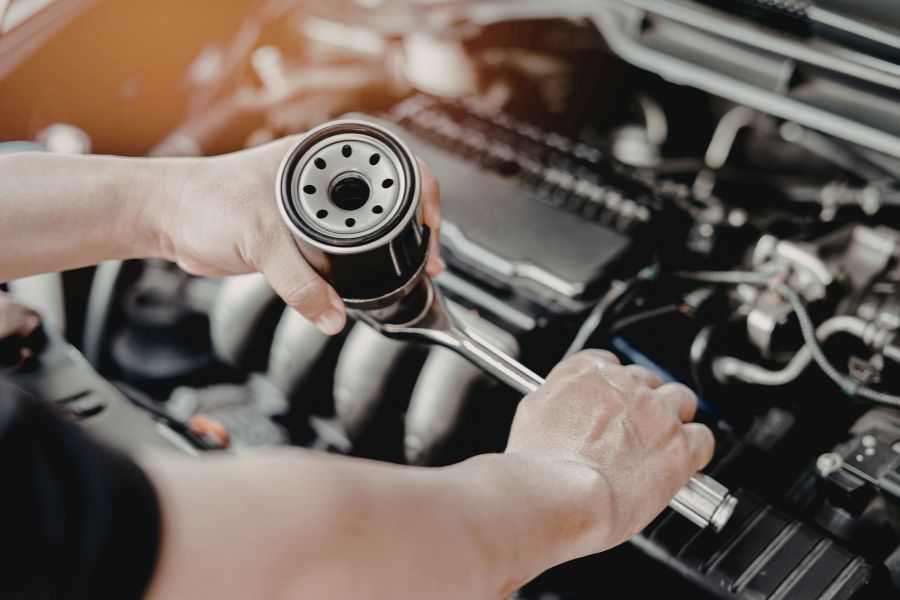
Oil filters are one of the most overlooked components in Volkswagen engine maintenance, yet they play a critical role in long-term engine protection. Many drivers focus on oil changes themselves while treating the filter as an afterthought, even though the filter is what keeps that oil clean and effective. For Volkswagen engines, which rely on precise engineering and tight tolerances, oil quality matters just as much as oil quantity.
Volkswagen oil filters act as a protective barrier inside your engine, capturing harmful contaminants before they can circulate through critical components. Over time, consistent filtration helps reduce internal wear, protect engine performance, and support long-term engine protection, making the oil filter one of the simplest forms of engine insurance you can invest in.
What an Oil Filter Actually Does Inside a Volkswagen Engine
To understand why oil filters matter so much, it helps to look at how oil moves through a Volkswagen engine. Oil circulates continuously through the engine lubrication system, coating moving parts to reduce friction, manage heat, and prevent metal-on-metal contact.
As oil flows, it picks up contaminants such as:
Metal particles created by normal engine wear.
Dirt and dust that bypass seals.
Carbon deposits from combustion.
Sludge formed by heat and moisture.
The oil filter’s job is to trap these contaminants before the oil cycles back through the engine. Without effective filtration, contaminated oil continues circulating, gradually damaging internal components.
Volkswagen engines are particularly sensitive to oil quality because of their engineering precision. Tight clearances between components mean even small particles can cause accelerated wear. Over time, oil contamination compromises lubrication efficiency and increases the risk of internal damage.
Why Volkswagen Engines Depend on Proper Oil Filtration
Volkswagen engine maintenance relies heavily on consistent, high-quality oil filtration. Many VW engines are designed with tight tolerances and advanced systems that demand clean oil at all times.
Several factors increase the importance of proper filtration:
Tight internal tolerances require clean oil to maintain smooth operation.
Turbocharged engines rely on constant oil flow to protect turbo bearings.
High-pressure oil systems push oil rapidly through small passages.
When oil carries contaminants, those particles move quickly through sensitive areas of the engine. Even minor debris can affect bearings, camshafts, timing components, and turbochargers. Over time, this results in uneven wear, reduced efficiency, and a shortened engine lifespan.
Clean oil safeguards turbochargers, timing systems, and valvetrain assemblies, components that rely on consistent lubrication and are far more vulnerable to damage when oil quality drops. Using a properly designed oil filter helps ensure VW engine protection remains consistent across all driving conditions.
What Happens When an Oil Filter Fails or Is Low Quality
Low-quality or failing oil filters introduce risks that aren’t always immediately visible. In many cases, damage builds gradually, which makes oil filter issues easy to overlook until problems appear.
Common consequences include:
Sludge buildup that restricts oil circulation.
Oil flow restriction caused by clogged or collapsed filter media.
Bypass valve failure, allowing unfiltered oil to circulate.
Premature engine wear on bearings, pistons, and cam components.
As oil flow becomes restricted, lubrication efficiency drops. Critical parts may receive insufficient oil, increasing heat and friction. Over time, this accelerates internal wear and raises the likelihood of costly long-term damage.
Oil filter failure rarely causes immediate breakdowns. Instead, it quietly shortens engine life, leading to repairs that could have been avoided with proper filtration from the start.
OEM VW Oil Filters vs Aftermarket Filters
Not all oil filters are built the same, and the difference becomes especially important in Volkswagen engines. OEM VW oil filters are designed specifically to meet Volkswagen’s engineering standards, while many aftermarket filters aim for broad compatibility across multiple brands.
Key differences include:
Filtration efficiency: OEM filters capture contaminants at levels matched to VW specifications.
Filter materials: OEM media is designed to withstand heat and pressure over extended intervals.
Bypass valve quality: OEM valves activate at the correct pressure to protect oil flow.
Fitment accuracy: OEM filters seal properly and maintain consistent oil pressure.
Aftermarket filters may work adequately in some cases, but variations in materials or valve calibration can affect performance over time. Even small inconsistencies can impact oil pressure and filtration effectiveness in high-performance or turbocharged VW engines.
Choosing OEM VW oil filters supports reliable filtration without introducing unnecessary risk.
If you’re sourcing replacements, OEM Volkswagen oil filters are designed to meet Volkswagen’s exact requirements for long-term protection.
How Often Should You Replace Your Volkswagen Oil Filter?
Oil filter replacement should always coincide with oil changes, but driving habits can influence how frequently service is needed.
Factors that affect oil change intervals include:
City driving with frequent stops and idling.
Short trips where the engine doesn’t fully warm up.
High temperatures or heavy traffic conditions.
Highway driving, which is generally less demanding.
Short trips and city driving place more strain on oil and filters due to moisture buildup and incomplete combustion cycles. These conditions increase contamination, making timely oil filter replacement essential for protecting engine lifespan.
Following VW-recommended oil change intervals and replacing the filter every time helps ensure consistent lubrication and filtration.
How Oil Filters Contribute to Long-Term Engine Health
Oil filters support long-term engine health by maintaining clean oil throughout the engine’s operating life. Consistent filtration reduces internal damage that builds slowly over thousands of miles.
Benefits include:
Reduced friction between moving parts.
Lower risk of sludge formation.
More stable oil pressure.
Improved engine efficiency.
Better resale value due to documented maintenance.
Clean oil protects not just the engine block, but also components like turbochargers, timing systems, and valvetrain assemblies. Over time, this reduces maintenance costs and helps preserve the integrity of the engine as a whole.
Oil filters may be small, but their role in long-term engine health is substantial.
Choosing the Right Oil Filter for Your Volkswagen
Selecting the correct oil filter requires more than choosing the right size. Volkswagen engines are designed around specific flow rates, pressure thresholds, and sealing requirements.
When choosing a filter, prioritize:
Model and year compatibility.
OEM fit and specifications.
Avoidance of “universal” filters that compromise performance.
OEM filters are engineered to integrate seamlessly with your engine’s design. Universal options may physically fit but lack the internal design elements needed for consistent protection.
Oil filtration works best as part of a complete maintenance system. Supporting components such as your engine air filtration system, engine performance components, and critical engine maintenance parts all contribute to overall engine health when maintained properly.
Oil Filters Are Small but Critical
Oil filters are often overlooked, but they play a vital role in protecting Volkswagen engines long-term. Consistent, high-quality filtration reduces wear, protects sensitive components, and supports engine longevity. While cutting corners may seem appealing in the short term, long-term protection always delivers better results.
To keep your engine running the way Volkswagen intended, explore Volkswagen oil filters designed for long-term protection and choose OEM components built to safeguard your engine for the road ahead.