
How Often Should You Replace Your Volkswagen Air Filter?
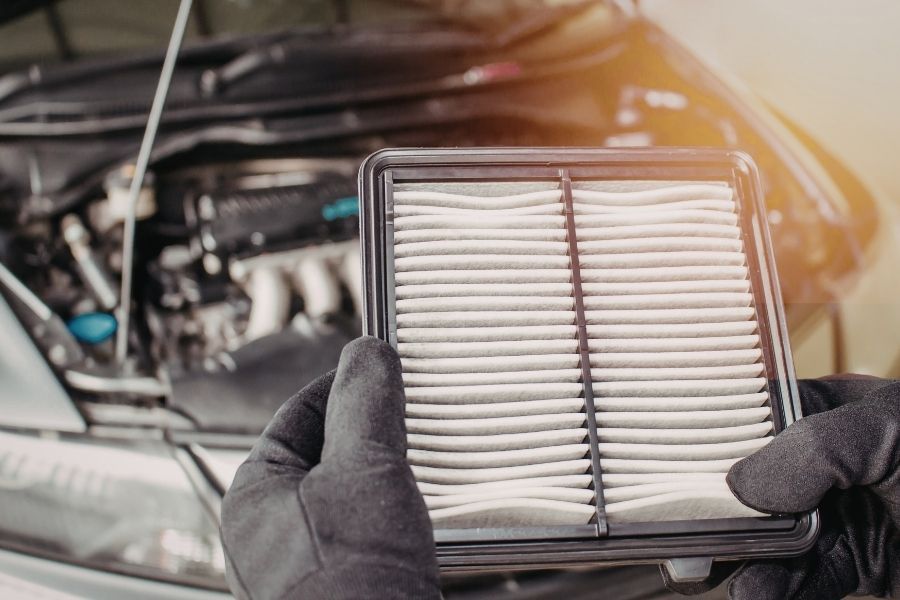
Air filters are one of the simplest components in your Volkswagen, but they have a direct impact on how your engine performs every time you drive. A clean air filter supports proper airflow, helps maintain efficient combustion, and protects internal engine components from debris. When it becomes clogged, performance can decline gradually, often without obvious warning at first.
Replacing your Volkswagen air filter at the right time helps preserve engine efficiency, fuel economy, and long-term reliability. While it’s a routine maintenance item, it plays a critical role in protecting more complex and expensive engine systems. Understanding how often to replace it, and what affects that timing, can help you keep your vehicle running consistently.
What Does an Air Filter Do in a Volkswagen Engine?
Your Volkswagen engine depends on a controlled mixture of air and fuel to operate efficiently. Before air enters the engine, it passes through the air filter, which removes dust, dirt, and other airborne particles.
This filtration process is essential because even small contaminants can affect engine performance over time. Without a functioning air filter, debris can enter the intake system and circulate through sensitive components.
A properly working air filter helps:
Maintain clean airflow into the engine.
Support consistent combustion.
Prevent debris from entering the intake system.
Protect internal components from premature wear.
Clean airflow allows the engine to maintain the correct air-to-fuel ratio, which is necessary for smooth and efficient operation.
Why Clean Airflow Matters for Volkswagen Performance
Volkswagen engines are engineered to operate within precise performance parameters. One of the most important factors is the balance between air and fuel inside the combustion chamber. When airflow is restricted, that balance shifts, which can affect engine efficiency.
A clogged air filter limits the amount of air entering the engine. This can lead to incomplete combustion and reduced performance. Over time, this imbalance may affect how the engine responds under load or during acceleration.
Restricted airflow can result in:
Slower acceleration.
Reduced throttle response.
Lower fuel efficiency.
Increased strain on engine components.
In turbocharged Volkswagen engines, airflow becomes even more critical. Turbo systems rely on a steady supply of air to generate power. If airflow is reduced, the turbocharger cannot perform as efficiently, which can impact overall engine output.
Maintaining proper airflow helps ensure that the engine continues to perform the way it was designed to.
How Often Should You Replace Your Volkswagen Air Filter?
There is no one-size-fits-all replacement schedule for air filters. The ideal timing depends on driving conditions, environment, and how the vehicle is used.
Factors that influence how often you should replace your air filter include:
Driving in dusty or sandy environments.
Frequent stop-and-go city driving.
Short trips where the engine does not fully warm up.
Extended highway driving.
Exposure to construction zones or poor air quality.
A practical approach is to inspect the air filter during routine maintenance intervals. If the filter appears dirty or clogged, it’s time for a replacement.
Signs Your Volkswagen Air Filter Needs Replacement
Air filters do not fail suddenly. Instead, they gradually become more restricted as debris accumulates. Because of this, performance changes can happen slowly.
Common signs that your air filter may need replacement include:
Reduced acceleration or sluggish performance.
Decreased fuel efficiency.
Unusual engine sounds during acceleration.
A general decrease in engine responsiveness.
Visible dirt or discoloration on the filter.
These symptoms may not always point directly to the air filter, but checking it is one of the quickest and most cost-effective troubleshooting steps.
What Happens If You Don’t Replace Your Air Filter?
Delaying air filter replacement allows dirt and debris to continue building up, which restricts airflow into the engine. As airflow decreases, the engine must work harder to maintain performance.
Over time, this can lead to:
Reduced combustion efficiency.
Increased fuel consumption.
Buildup within the intake system.
Additional strain on engine components.
Restricted airflow can also contribute to uneven engine operation, especially during acceleration or under load. While these effects may start small, they can become more noticeable as the filter becomes more clogged.
Replacing the air filter regularly helps prevent these issues and supports consistent engine performance.
OEM Volkswagen Air Filters vs Aftermarket Options
Choosing the right air filter is just as important as replacing it on time. OEM Volkswagen air filters are designed specifically for your vehicle’s engine and intake system.
Benefits of OEM air filters include:
Proper fit within the air filter housing.
Consistent airflow characteristics.
Reliable filtration performance.
Compatibility with Volkswagen engine design.
Aftermarket air filters may vary in material quality, filtration efficiency, and fitment. Some may restrict airflow more than intended, while others may allow more debris to pass through.
For drivers focused on maintaining factory-level performance and reliability, genuine Volkswagen air filters provide a consistent and dependable option.
How Air Filters Fit Into Your Overall Maintenance Routine
Air filter replacement is one part of a larger maintenance strategy that supports engine health. Several other components work together to maintain performance and efficiency.
Related maintenance items include:
Oil and oil filters for proper lubrication.
Spark plugs for consistent ignition.
Fuel filters for clean fuel delivery.
Belts and hoses for system reliability.
Each of these components plays a role in how the engine operates. When maintained together, they help ensure that your Volkswagen continues to perform consistently.
Ignoring one part of the system can place additional strain on others. For example, restricted airflow can affect combustion, which may impact spark plug performance over time.
Choosing the Right Air Filter for Your Volkswagen
Selecting the correct air filter requires attention to your vehicle’s specifications. Even similar models may require different parts depending on engine configuration.
To ensure the correct fit:
Confirm your Volkswagen’s year, model, and engine type.
Match part numbers when replacing an existing filter.
Use vehicle-specific filters instead of universal options.
Using the correct air filter helps maintain proper airflow and ensures that the filtration system functions as intended.
Keep Your Volkswagen Engine Performing with Proper Air Filtration
A clean air filter supports efficient airflow, protects engine components, and helps maintain consistent performance. Replacing it at the right time is a simple but important step in preserving your Volkswagen’s engine.
Routine air filter maintenance works alongside other service items to support long-term engine reliability. By staying consistent with inspections and replacements, you reduce the risk of performance issues and help your engine operate smoothly.
If you’re preparing for routine maintenance, explore genuine Volkswagen air filters designed to fit your engine properly and support reliable performance over time.