
How a Bad Water Pump Can Damage Your Volkswagen Engine
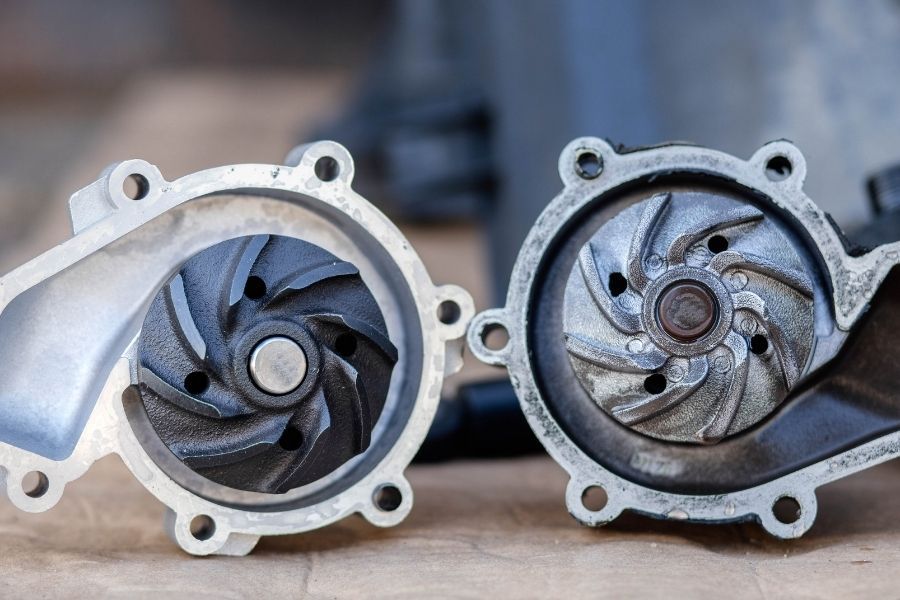
Your Volkswagen’s cooling system depends on several components working together to control engine temperature, but few are as important as the water pump. While it often goes unnoticed during routine driving, the water pump plays a direct role in protecting your engine from heat-related damage. When it begins to fail, coolant circulation becomes less effective, temperatures rise, and internal engine components can experience significant stress.
Volkswagen water pump failure is not something drivers should ignore. Problems can develop gradually at first, but once coolant flow becomes restricted, overheating and long-term engine damage can follow quickly. Understanding how water pumps work, what causes them to fail, and how to recognize early warning signs helps protect long-term engine reliability.
What Does a Water Pump Do in a Volkswagen Engine?
The water pump is responsible for circulating coolant throughout the engine and cooling system. As the engine runs, coolant absorbs heat from internal components and carries it away to the radiator, where the heat is released.
Without continuous coolant circulation, engine temperatures would rise rapidly.
Inside the cooling system, the water pump helps move coolant through:
This circulation process is essential for maintaining stable engine temperatures during everyday driving.
Volkswagen engines rely on precise temperature control to maintain performance, lubrication efficiency, and long-term durability. Even small disruptions in coolant flow can affect how efficiently the engine operates.
Why Volkswagen Engines Depend on Proper Coolant Circulation
Modern Volkswagen engines are engineered with tight tolerances and advanced temperature management systems. These engines are designed to operate within a narrow temperature range where combustion, lubrication, and airflow remain balanced.
When coolant circulation slows or stops, heat begins to build quickly inside the engine.
Excess heat affects several critical systems:
Engine oil becomes less effective at lubrication.
Internal metal components expand under stress.
Combustion efficiency can become inconsistent.
Cooling system pressure increases.
Consistent coolant flow supports overall engine balance. Without it, temperatures can climb faster than many drivers realize.
Common Signs of a Bad Water Pump in a Volkswagen
Water pumps rarely fail without warning. In many cases, drivers notice smaller symptoms before severe overheating occurs.
Common water pump symptoms in Volkswagen vehicles include:
Coolant leaks near the front of the engine.
Rising engine temperatures.
Steam coming from the engine bay.
Grinding or whining noises.
Fluctuating temperature gauge readings.
Low coolant warning lights.
These symptoms may appear gradually, especially during hot weather or heavy traffic conditions where the cooling system is already working harder.
Ignoring these signs can allow overheating to worsen over time.
How a Failing Water Pump Can Damage Your Volkswagen Engine
A failing water pump affects more than coolant circulation. Once the cooling system loses efficiency, heat begins affecting nearly every part of the engine.
As temperatures rise:
Engine oil thins and loses lubrication effectiveness.
Internal friction increases.
Metal components expand under heat stress.
Cooling system pressure rises.
Over time, this can lead to serious engine damage.
Potential consequences include:
Warped cylinder heads.
Damaged head gaskets.
Increased internal engine wear.
Reduced engine lifespan.
Overheating-related breakdowns.
Heat affects the entire engine system, not just one component. Once temperatures move beyond the engine’s intended operating range, the risk of long-term damage increases significantly.
This is why preventative cooling system maintenance matters so much. A bad water pump may begin as a relatively small issue, but the damage caused by overheating can become far more extensive.
What Causes Volkswagen Water Pumps to Fail?
Water pumps are wear components, meaning they naturally degrade over time through repeated heat cycles and continuous operation.
Several factors contribute to failure:
Bearing Wear
Water pumps contain bearings that support continuous rotation. Over time, these bearings can wear down and create noise or instability.
Seal Deterioration
Internal seals prevent coolant from leaking out of the pump assembly. As seals age, leaks may begin to develop.
Coolant Contamination
Old or contaminated coolant can contribute to corrosion and wear inside the cooling system.
Heat Cycling
Volkswagen engines experience repeated heating and cooling cycles during operation. Over time, these temperature fluctuations place stress on cooling system components.
Water pumps are designed for durability, but they are not lifetime components.
Why Preventative Cooling System Maintenance Matters
Cooling system maintenance plays a major role in protecting your Volkswagen engine from heat-related damage. Waiting until overheating occurs often means the issue has already progressed.
Helpful preventative maintenance habits include:
Monitoring coolant levels regularly.
Inspecting hoses for cracks or deterioration.
Replacing worn belts and cooling components early.
Addressing coolant leaks immediately.
Maintaining proper oil change intervals.
Cooling system components work together as a system. When one part weakens, additional stress can spread to surrounding components.
Inspecting Volkswagen belts and hoses regularly helps prevent pressure or circulation problems that can strain the cooling system further.
Proper oil maintenance also supports engine temperature control by helping reduce friction and internal heat buildup. Replacing Volkswagen oil filters during routine oil changes helps maintain clean lubrication throughout the engine.
OEM Volkswagen Water Pumps vs Aftermarket Options
Not all water pumps are designed to the same standards. OEM Volkswagen water pumps are engineered specifically for Volkswagen cooling systems and designed to match factory specifications for coolant flow and fitment.
Benefits of OEM cooling components include:
Proper fit within the cooling system.
Consistent coolant circulation performance.
Materials designed for heat and pressure resistance.
Reliable compatibility with surrounding components.
Aftermarket parts may vary in material quality or design tolerances, which can affect long-term reliability.
For cooling system components, consistency matters. Stable coolant circulation plays a direct role in protecting engine temperature and preventing overheating.
When Should a Volkswagen Water Pump Be Replaced?
Water pump replacement timing depends on engine design, driving conditions, and overall maintenance history.
In some Volkswagen engines, water pumps are commonly replaced alongside timing belt service because both components are located within the same area of the engine. Replacing them together can help reduce future labor and prevent overlapping maintenance issues later.
Drivers should also pay attention to warning signs that may indicate earlier replacement is needed, including leaks, overheating, or unusual noises from the cooling system.
Preventative replacement is often far less costly than repairing overheating damage after a cooling system failure.
Protect Your Volkswagen Engine from Heat-Related Damage
Your Volkswagen’s water pump plays a critical role in maintaining proper engine temperature and protecting internal components from excessive heat. When coolant circulation slows or stops, the effects can spread quickly throughout the engine and create long-term damage.
Consistent cooling system maintenance helps protect engine reliability and reduce the risk of overheating-related repairs. If you’re inspecting or replacing cooling system components, explore genuine Volkswagen cooling parts designed to support proper coolant circulation and long-term engine protection.